Category: Movies

You know you're in a different world when...

You can be confident that you are no longer in land-locked Cambridgeshire...

Recycling bins in a Greek harbour

when you pop to the nearest recycling bins, and there are three: one for glass, one for aluminium, and one for fishing nets.

I've spent the last week or so sailing around the Aegean in my friend Philip's 32-foot boat. I've done this once before, and he was kind enough to invite me back for a second visit. It was once again a wonderful trip, admittedly involving, at times, some sweaty cramped conditions and some rather primitive harbourside sanitation, but any such drawbacks were massively outweighed by the adventure, education and cameraderie as we explored parts of the Dodecanese and Cyclades islands.

I will remember some very fine dining and drinking.

Strawberry mojitos

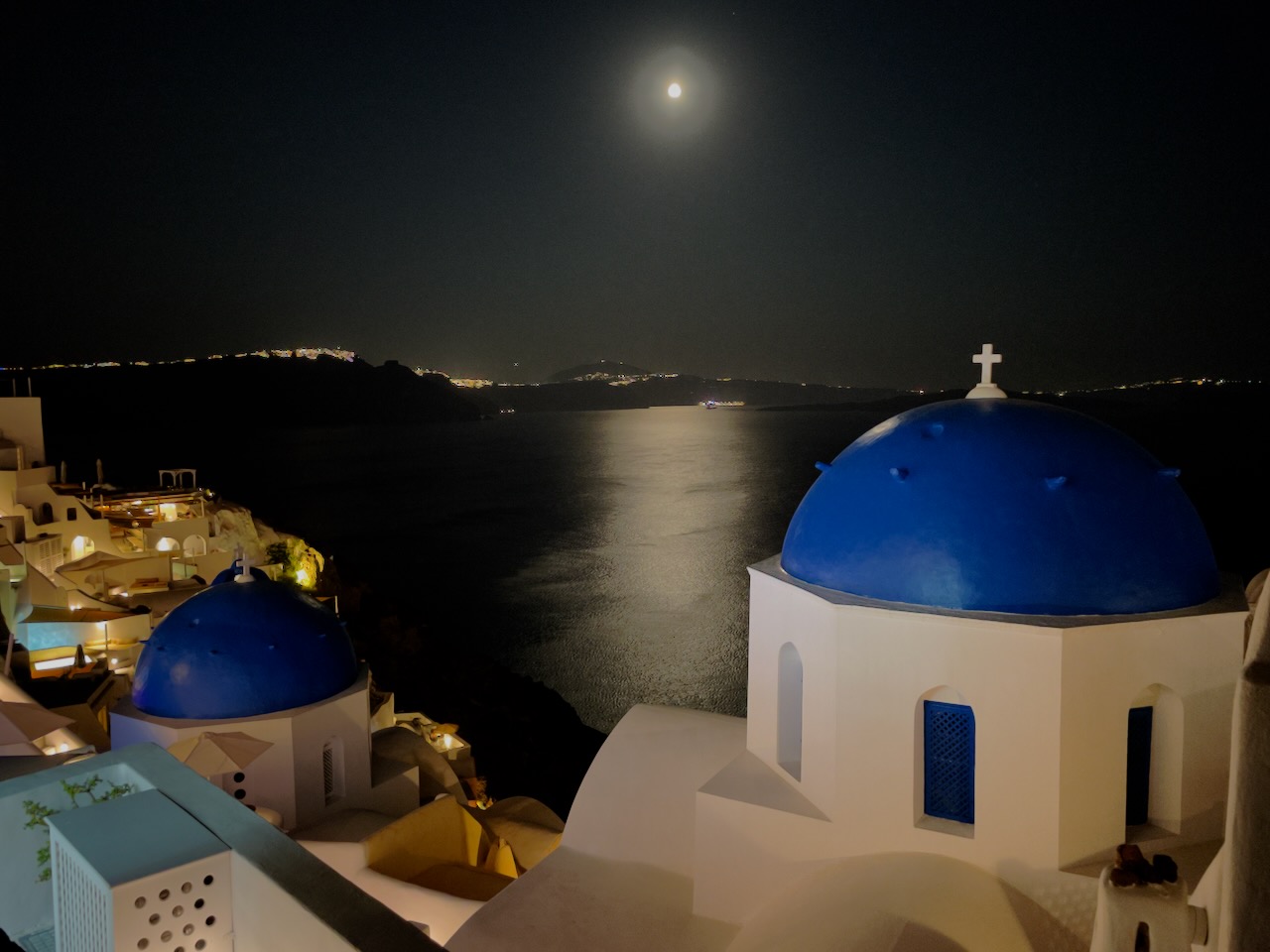
Some stunning views, especially around the amazing volcanic caldera that is Santorini,

Chapel domes at Oia

Dolphins leaping and playing under our bows:

(Thanks to Pilgrim Beart for the clip)

Some adventurous sailing on the high seas -- sometimes more adventurous than we wanted!

Archaeological sites with intact multi-storey houses more than twice as old as the Old Testament.

Plunging into warm seas from the back of the boat before breakfast, and again before bed.

Labyrinthine three-dimensional hillside towns with barely a straight line to be found.

And the millennium-spanning delight of reading Emily Wilson's translation of The Iliad, on my Kindle, recently recharged by solar panels, while enjoying the breeze blowing off the sparkling blue sea.

And now I'm home, and I need to mow the lawn before it starts raining.

And the lion shall lie down with...?

From our "this may help you win a bet in the pub" collection...

If you know the quiz show 'QI', you might imagine Stephen Fry asking "With whom will the lion lie down?", and Alan Davies sheepishly responding "The lamb?"... before the claxons start, indicating a wrong answer.

Because if you look at Isaiah chapter 11, where the concept originates, you find rather different domestic arrangements:

"The wolf also shall dwell with the lamb, and the leopard shall lie down with the kid; and the calf and the young lion and the fatling together; and a little child shall lead them."

So unless they were all getting cozy around the same campfire, I'm afraid lions and lambs aren't prophesied to lie down together any time soon. As is so often the case, someone came up with a snappier version later on, and that's what stuck with us.

Now, is anyone else now thinking about that scene in Ghostbusters?

Rudolph

Griff Rhys Jones, in one of his books, talks about being given Coca Cola as a child when visiting the rather grand neighbours down the road, an Australian doctor and his wife:

"Real Coca-Cola was something we never saw anywhere else. Not simply because it was an expensive luxury, but because, like American comic books and ITV, it was something inherently corrupting, although not apparently to Australians."

This made me laugh out loud. We also grew up with the curse of fake Coke, which was even worse than the real stuff, and with the same general understanding about comics and ITV. (I realise now, of course, that my mother was entirely correct on these points!)

For my foreign readers, ITV was our first commercial TV channel, and, though it started broadcasting in 1955, that was only in London. It took a while to reach us, partly because we lived 30+ miles away from the capital, and partly because many early television sets only had one or two channel buttons on them, to let you switch between BBC1 and BBC2. ITV had a stigma because it was commercial – supported by advertising – and we knew that the very best firms, like John Lewis, didn't need pay for advertising because their products were good enough without it.

It wasn't just us, though: this feeling was widespread. A couple of years ago I heard somebody on the radio talking about his working-class childhood in a small terraced house in an industrial town. He described how, if they were watching ITV when somebody rang the doorbell, they would switch to BBC2 before answering the door to avoid potential embarrassment.

Cartoons and comics were similar. We weren't allowed comic books, in general, being encouraged to read proper things instead, so the dubious and unsociable activities of characters like Dennis the Menace were things we only glimpsed in other kids' comics at school. And, for us as for Griff, cartoons and comics were particularly suspect if they had come from the other side of the Atlantic (unless they had first been vetted by the BBC).

All of this was very right and proper and I have absolutely no regrets about it. But it does mean that, having married an American wife, I'm now discovering some Christmas children's classics that had not previously come my way. Even though we (thankfully) have no children ourselves, if you can't re-live your childhood, or your spouse's childhood, at Christmas, when can you?

How the Grinch Stole Christmas (1966) is one I can frankly live without. The attempt to capture a Christmas spirit while ruthlessly expunging any mention of its religious origins leaves me cold. A Charlie Brown Christmas (1965) is rather better, though I do think Schulz is better in print than on film.

But, to my surprise, I find I rather enjoy Rudolph the Red-Nosed Reindeer (1964), the stop-motion animation that has been a standard part of Christmas for millions of households for more than half a century, but which I hadn't seen until fairly recently. But I discover that its origins were highly commercial.

Concerning reindeer
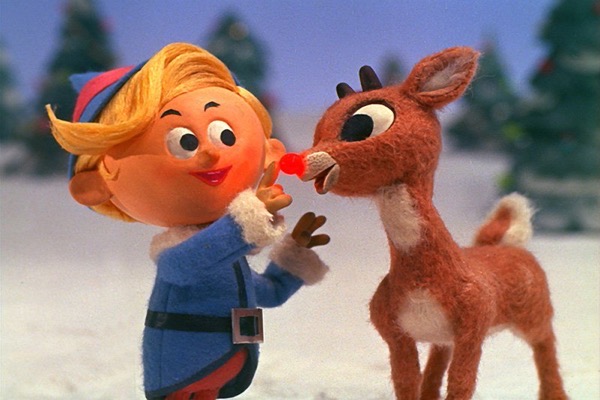
Hermey the elf and rudolph

The original story of Rudolph actually dates back to the second world war, when a Chicago department store wanted a short Christmas book to give away to children. Robert L May, an employee in the advertising department, came up with the story – here's the original manuscript – and they printed more than two million copies.

A decade later, perhaps not realising what they had created, his employers kindly gave him the rights to the story. May's brother-in-law, Johnny Marks, was a songwriter, and May talked him into writing a song based around it... with the result was that May and his family, previously in serious financial difficulties, were able to live very comfortably for the rest of his life and beyond.

The enormously-expensive animation was funded by General Electric, who also produced four advertisments for their houshold appliances featuring characters from Rudolph. An interesting bit of trivia is that, a couple of years before, GE had also invented the first (red) LEDs, one of which they were able to use to make Rudolph's nose glow.

For me, part of the fun comes from the little twists. Hermey, pictured above with Rudolph, is one of Santa's elves – Wow, what a job, children! – and yet he's downhearted because his real ambition is to be a dentist. And the elves come up with a nice song for Santa, but he's decidedly unimpressed. "That ridiculous elf-song is driving me crazy!"

In this day and age, I guess kids might not be very impressed with the animation. But it's worth considering, while watching it, the vast amount of labour required to create each frame of an hour-long stop-motion animation, using the technology of sixty years ago.

We watched it again a few days ago, though, and one thing jumped out at me as not sounding quite right. The young reindeer are referred to as fawns... and Rudolph will grow up to be a fine buck. I went and did some reading and found out that my concerns were valid, and learned a few other things about reindeer too.

  • As I thought, reindeer are normaly referred to as bulls and cows. Their offspring are called calves.
  • Reindeer, deer of the genus Rangifer, are the only deer that have successfully been domesticated on any scale. Handy if you want them to tow a sleigh across the night sky, for example.
  • There are many subspecies of Rangifer and they occur in many parts of the world. In North America, though, they are generally known as caribou, with the name reindeer mostly being reserved for domesticated animals.
  • Reindeer drop their antlers each year and grow new ones. For males, this happens in late autumn, while the females will typically hang on to theirs until after Christmas.

Now, since Christmas cards generally show reindeer with a fine set of antlers at Christmas-time, you could probably use the above to win a bet at the pub.

"Will you buy me a pint if I convince you that Santa's sleigh is actually towed by cows?"

For more background on 'Rudolph', see this article from the Smithsonian Magazine, and this piece from NPR.

Bird's Eye View

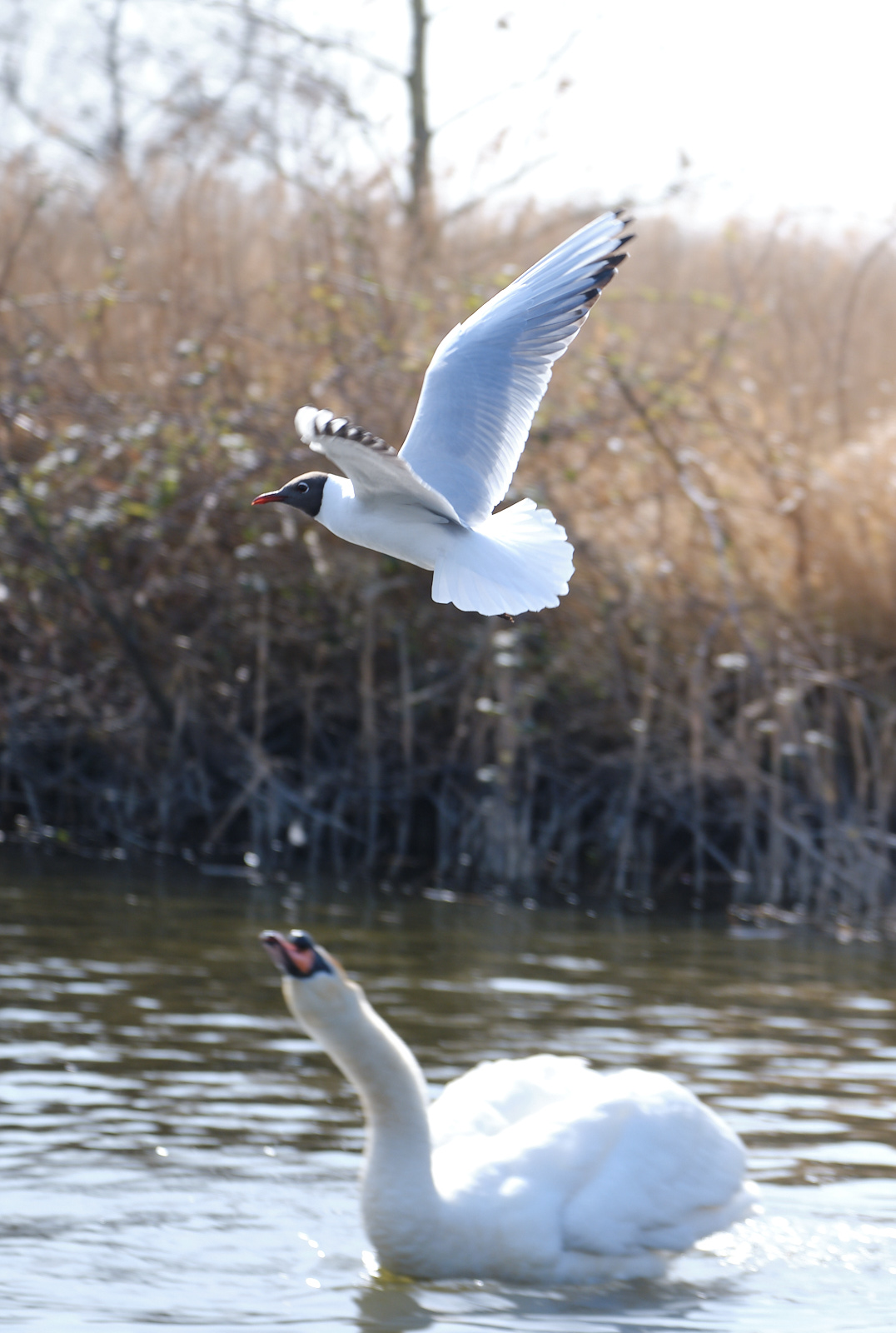
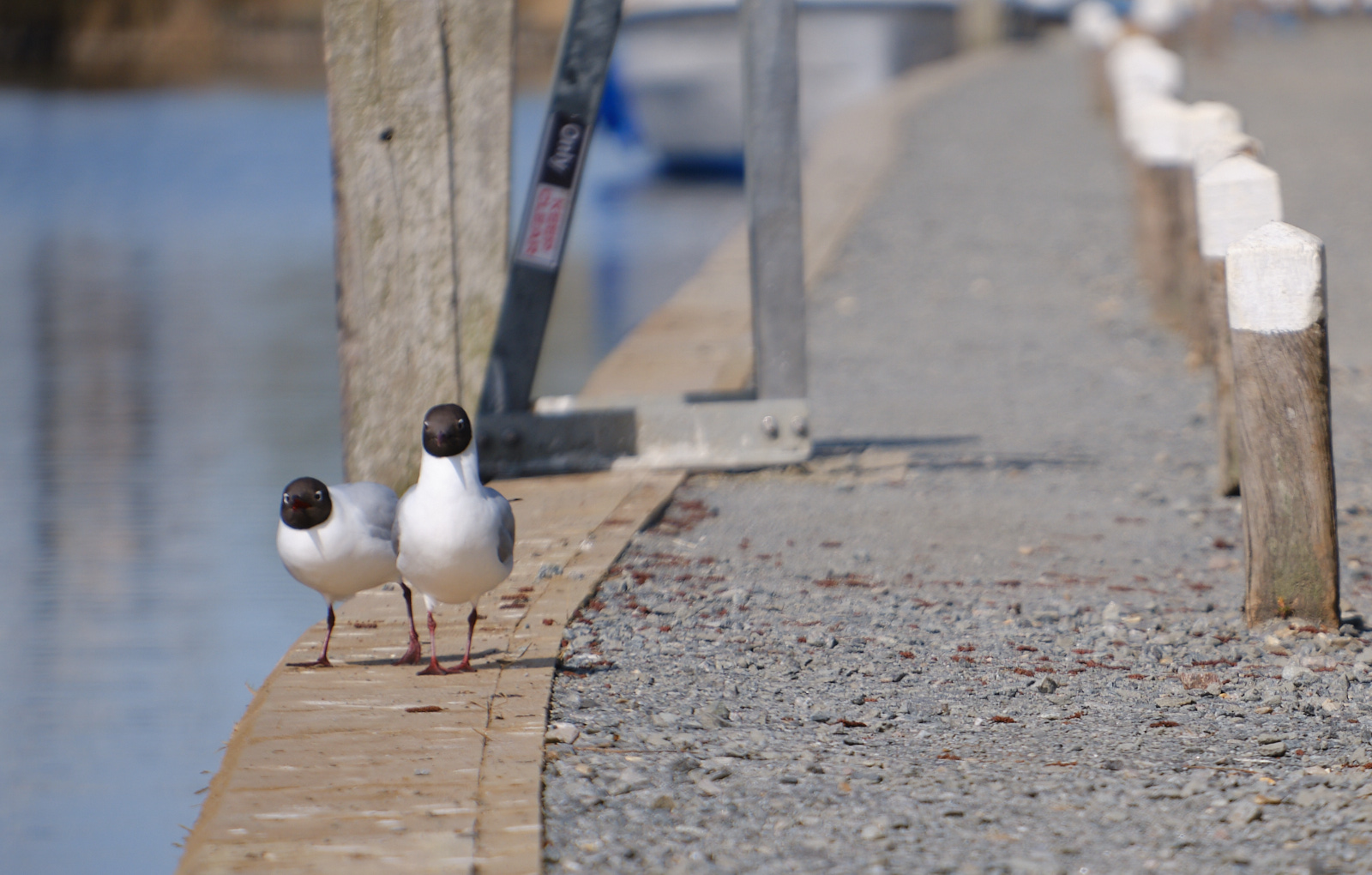
We're on holiday in the Norfolk Broads, spending most of our time messing about in boats, but also enjoying the wonderful wildlife.

Who, us?

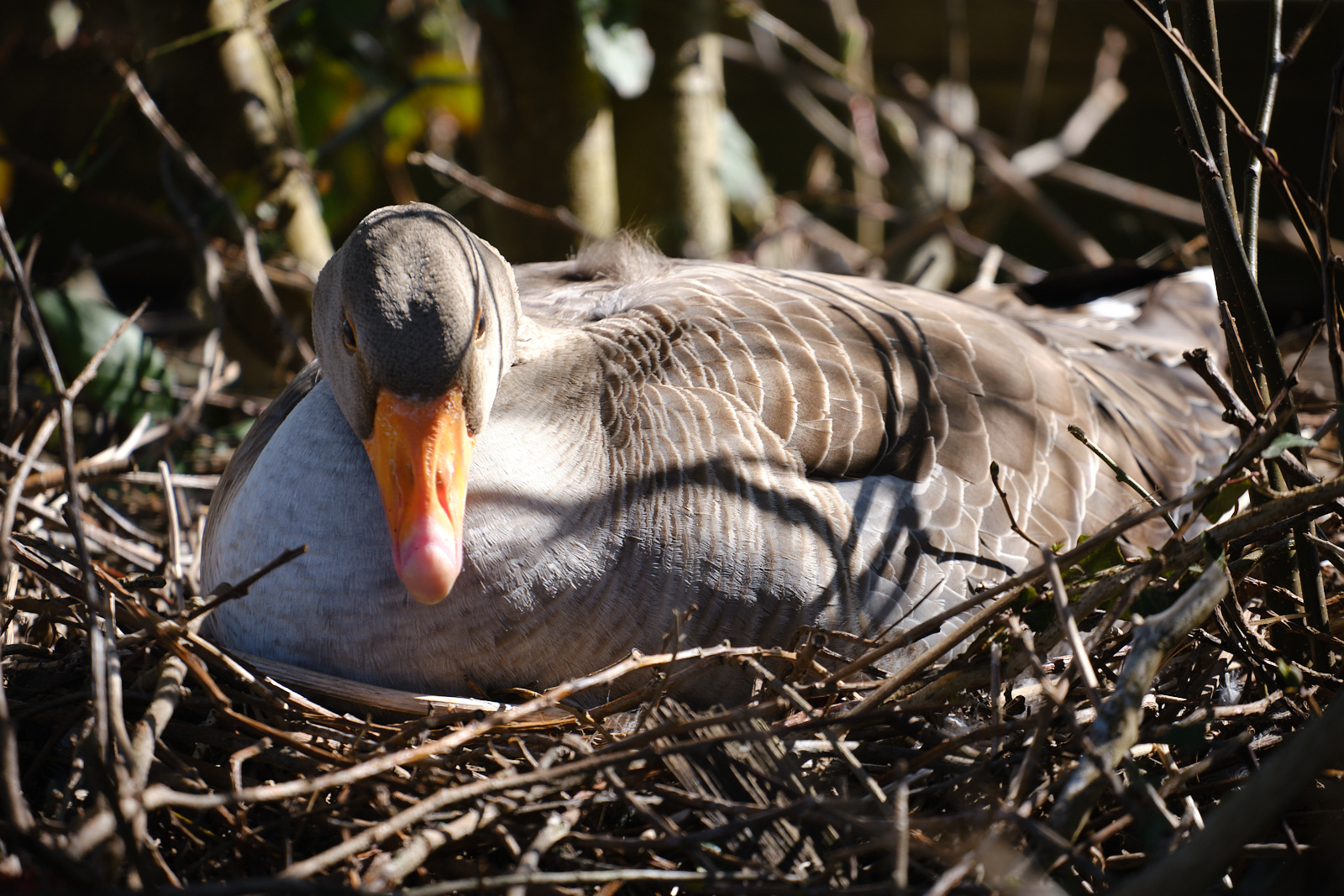
The birds are omnipresent, even in the garden of our riverside cottage, where this rather splendid goose has been sitting on her nest since we arrived. She and Tilly have decided to ignore each other.

Here's what the village of Horning looks like, for anyone thinking of flying over:

(Link here if you can't see the embedded video. If your computer and your network connection will allow it, I recommend viewing it full screen and setting the YouTube resolution to 4K.)

Our rental cottage comes with a convenient parking space, just outside the back door:

But there is another one too, if you prefer to arrive by car. It's at the end of the little bridge, just past the heron.

Love in Paradise

I wrote a couple of weeks ago about my sadness that the Lovefilm by Post service was being discontinued, since nothing offered by the streaming companies could really compare with it.

Well, I'm delighted to say that my friend Phil Ashby pointed me at Cinema Paradiso, which offers an almost identical service, and may even have a slightly larger catalog. I signed up and copied over the entries from my LoveFILM wishlist, and I've already received one disk which wasn't available on Lovefilm.

I still hope that someone will offer such a comprehensive catalogue using more modern technologies one day, but in the meantime, I'm a happy viewer again!

Broadsword calling Sister Maria...

A bit of movie trivia for you, linking two of the greatest films ever made...

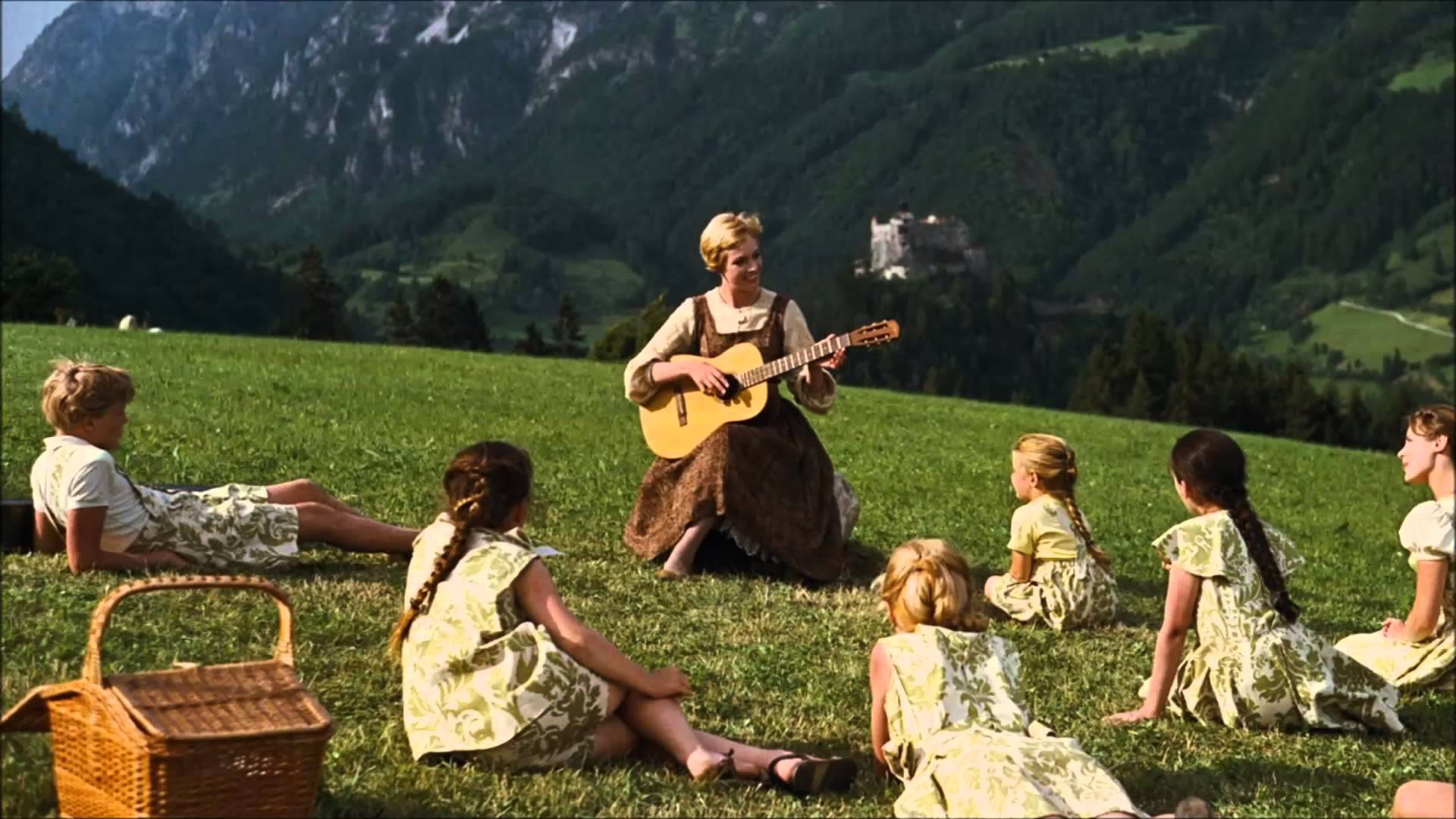
Here's Maria von Trapp with the children in The Sound of Music. All sing along: "The first three notes just happen to be..."

schloss-adler

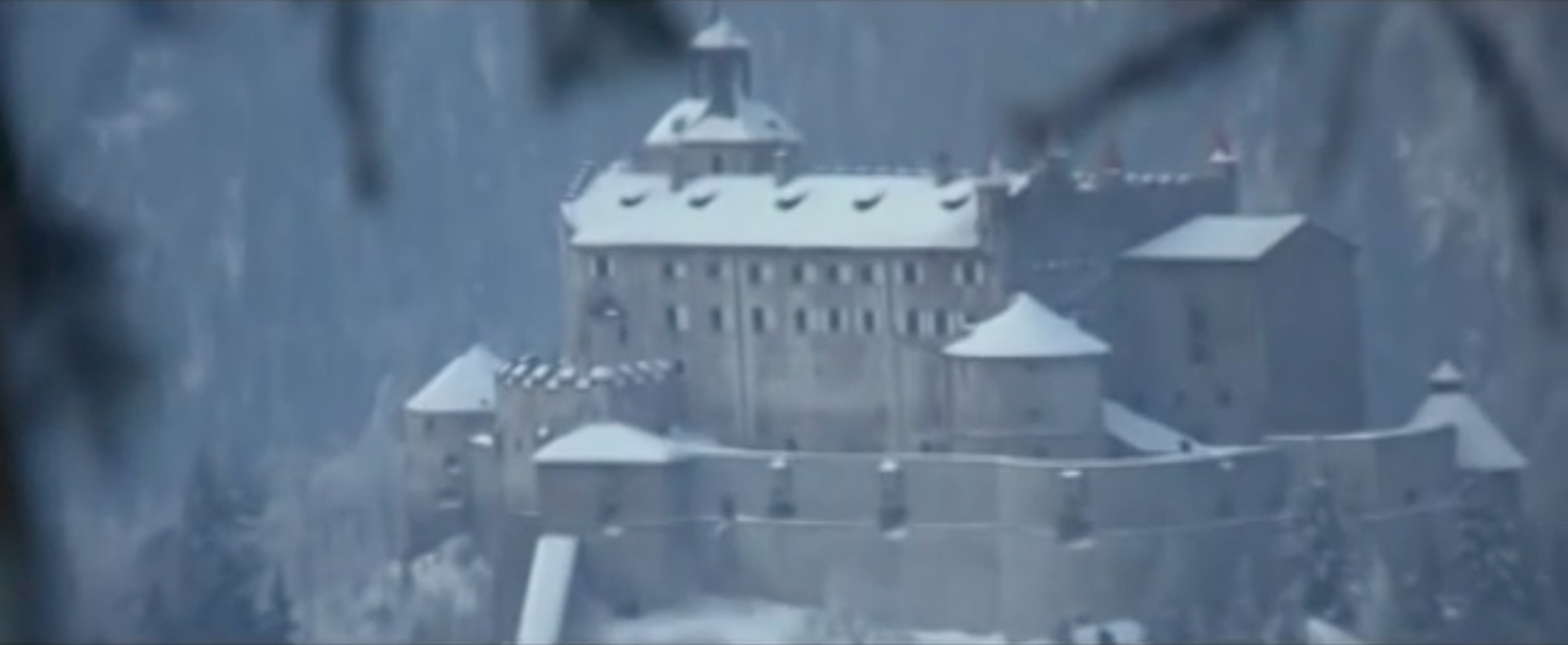
Now, you see that picturesque castle in the background? That's Hohenwerfen Castle which, in a rather different climate (when you'd need more than old curtains to keep you warm), was the setting for Schloss Adler in Where Eagles Dare.

schloss-adler2

So now you know, and you can probably irritate your friends and family by pointing it out just as they're really getting into the story...

A tale of three cities

We watched My Old Lady tonight, starring Kevin Kline, Maggie Smith and Kristin Scott-Thomas. I thought it quite good, though slow-moving; a play that never quite stopped feeling like a play despite being rewritten for the screen. That's both a criticism and a compliment. Paris, the city, is noticeably a real character in the film, too. This is true in many other movies as well, of course; the city somehow seems to lend itself to that.

The only place for which this is perhaps even more common is New York, which immediately makes me think of Breakfast at Tiffany's, or almost anything by Woody Allen, or... well, you get the idea. I don't just mean that a movie is set there, but that the director was in love with the place, and its essence permeates every aspect of the story.

And that made me think about London. I realised that, somehow, it doesn't seem to feature in films this way. It's a very similar city, and of course many movies are filmed there, but I don't think of people composing love letters to it in quite the same way as for Paris or New York. Rose thought that the films which come closest to having London as a central character are some of the old Sherlock Holmes ones. My only other suggestion was Mary Poppins!

If I'm right -- and feel free to disagree -- then why would that be the case? Is there something fundamentally different about London? Is it just that it's filled with the British?