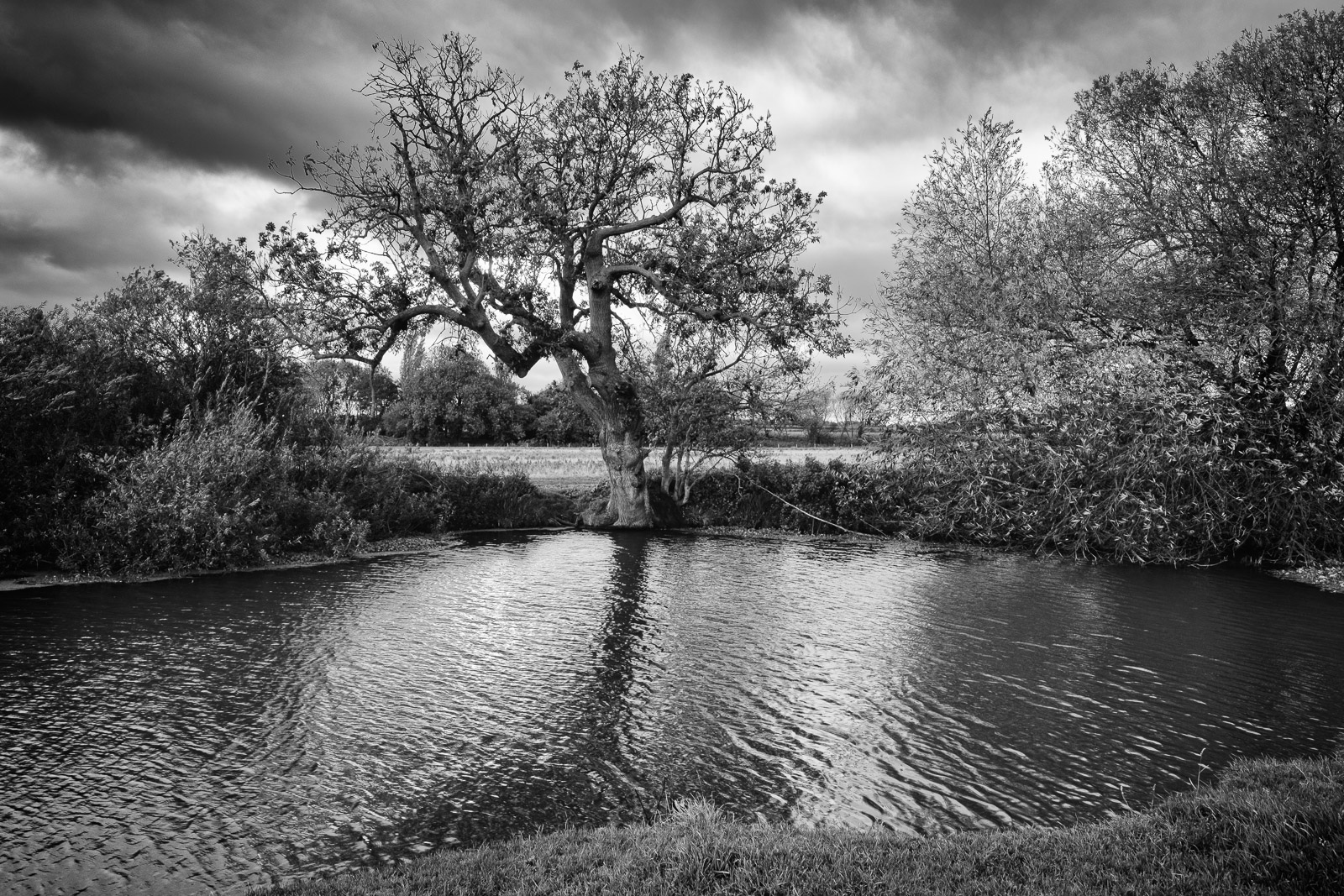
Autumn comes to Grantchester
Quentin Stafford-Fraser's blog
One should always have something sensational to read on the net...
Newnham, Cambridge & vicinity
The Cambridge Independent newspaper was kind enough to feature some of my photos in last week's edition.

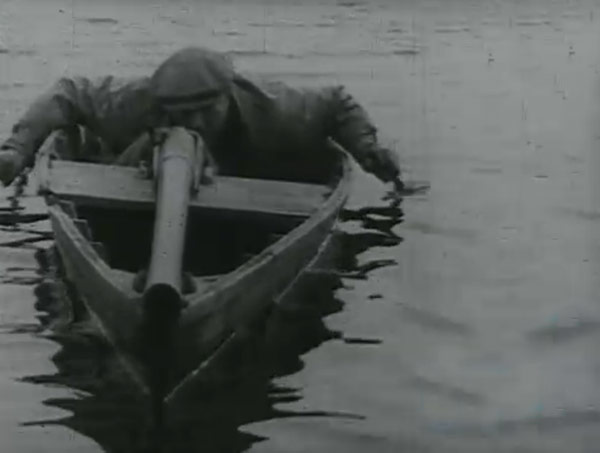
Friends in the Cambridge area, or with an interest in its history, may enjoy this short 1947 informational film, Draining the Fens, at the East Anglian Film Archive.
Now, I'll grant you, that doesn't sound like the most gripping movie title, but this one is only nine minutes long, and if you've ever driven across the East Anglian countryside pondering the networks of rivers and drainage dykes, this explains how they came to be, and what can happen when they go wrong.
(The audio is a bit dodgy at the start, but improves.)

A shot from this morning's dog-walk to complete my 'Frosty Grantchester' triptych!
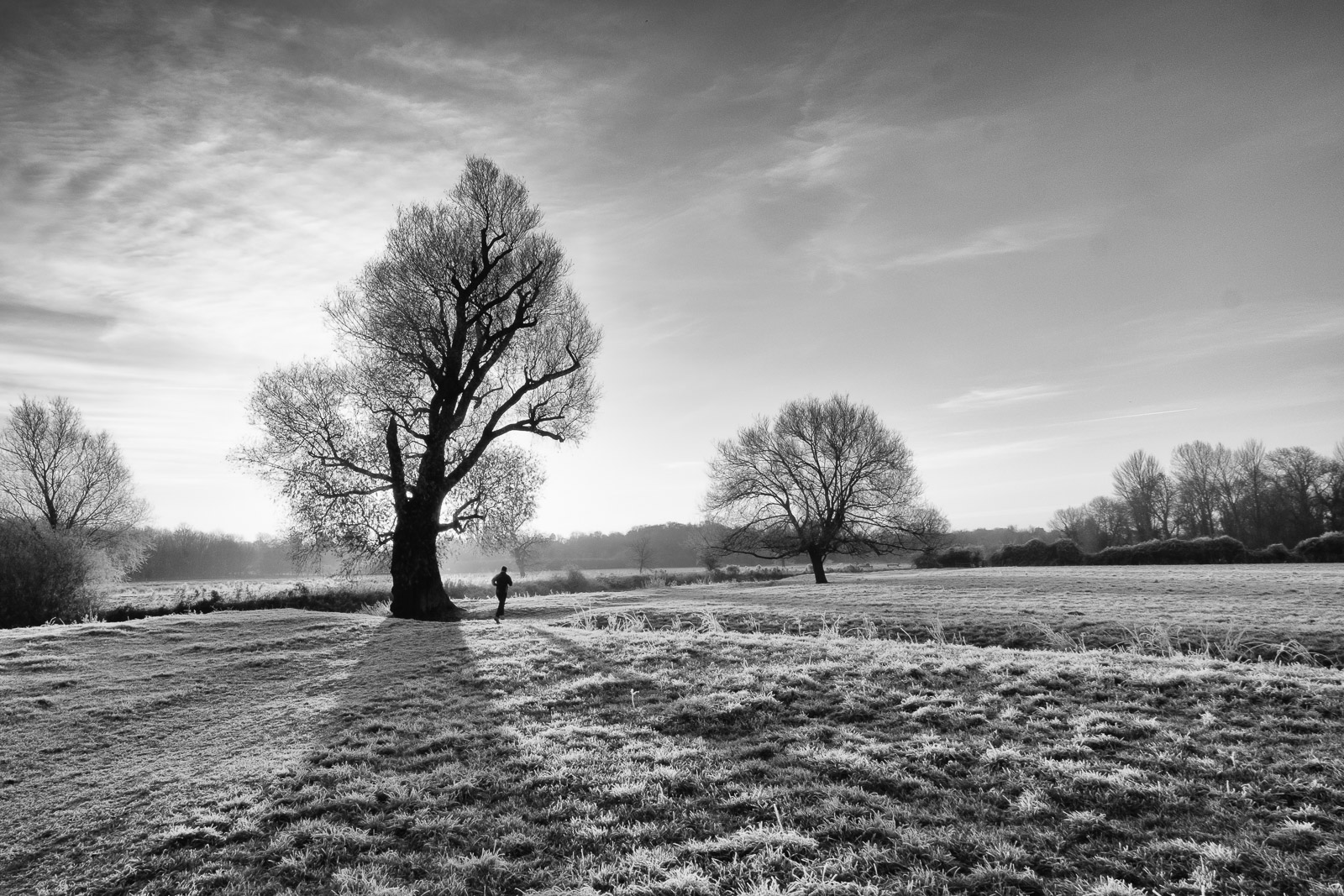
From another frosty Grantchester dog-walk...
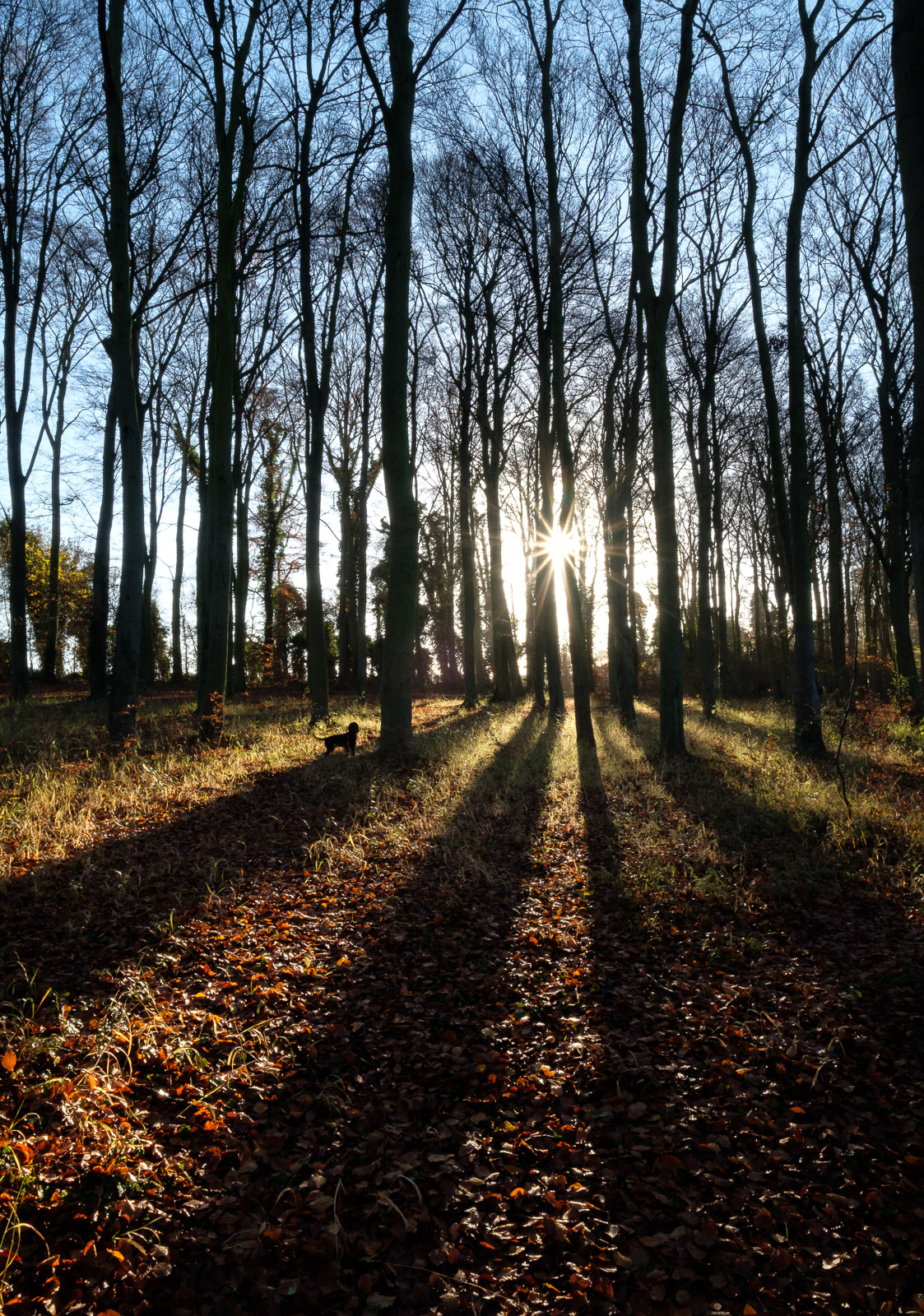
Yesterday morning's dog walk.
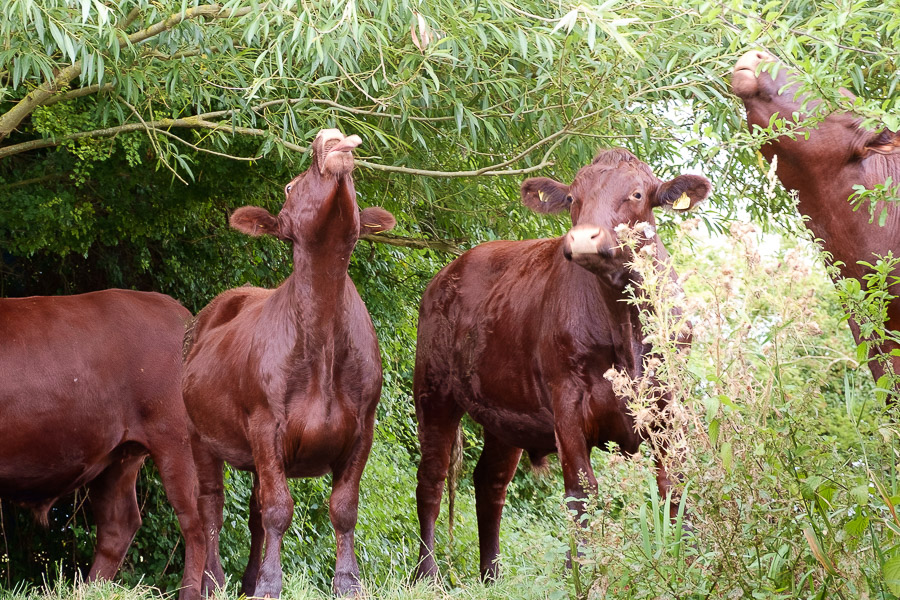
Yesterday we attended a rehearsal of the famous Grantchester Bovine Acapella Trio.
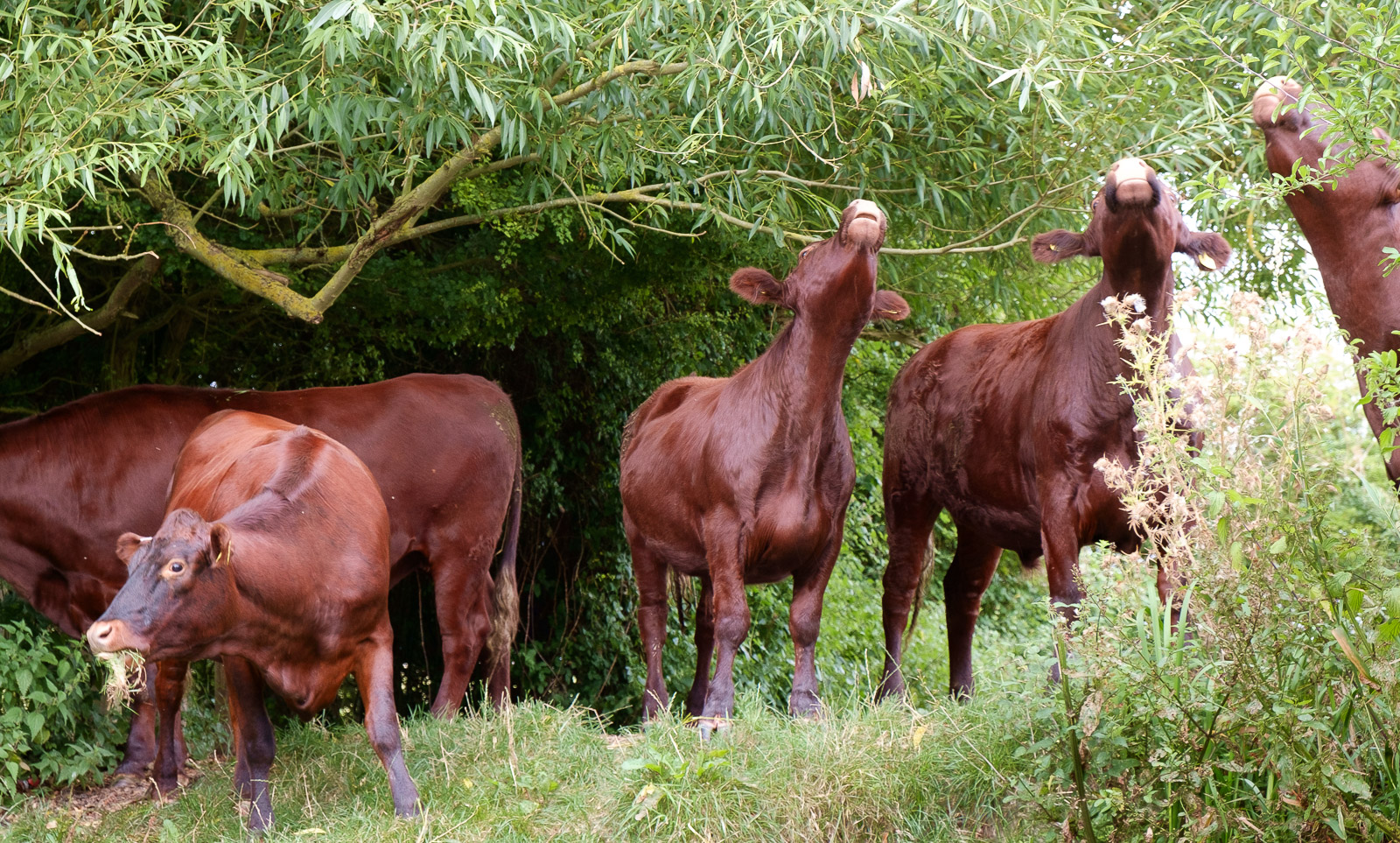
Actually, they were trying to reach this particularly tasty tree which was growing just a bit too far out over the river.
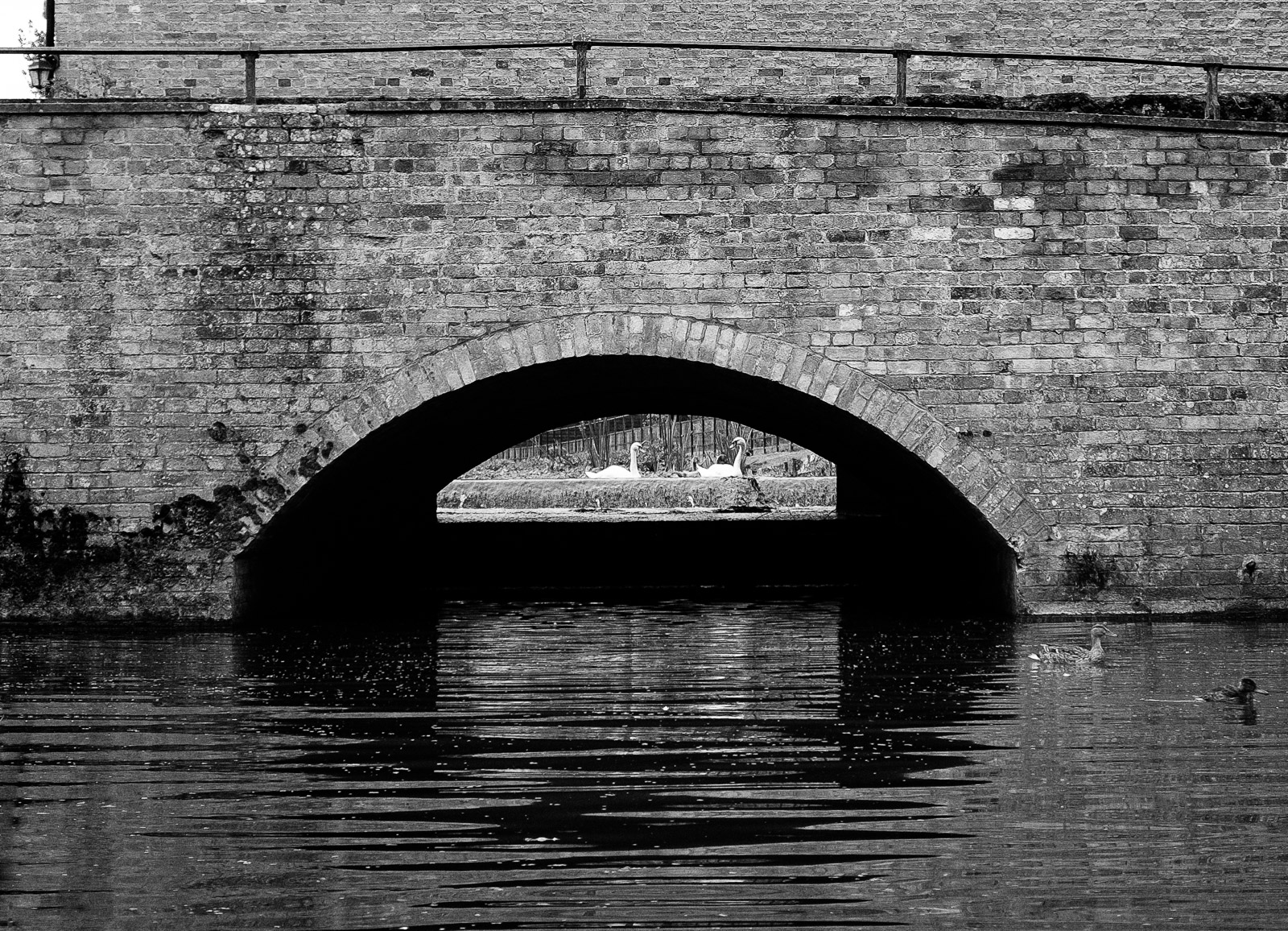
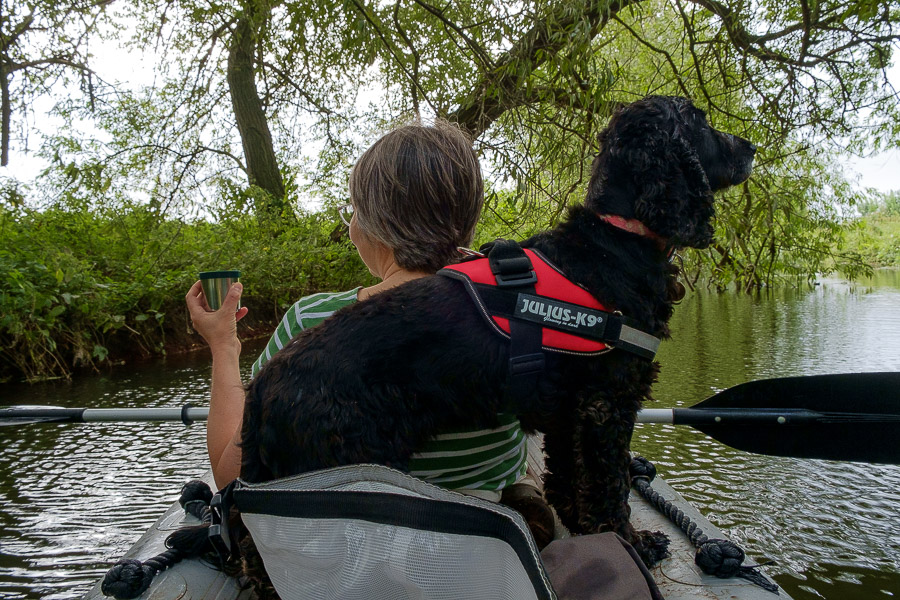
We paddled from home, through Grantchester, past Byron's Pool and out towards Hauxton before breakfast this morning. Most enjoyable. This is the mill at Grantchester, taken from just beside Jeffrey Archer's garden.
Saw kingfishers, ducklings, a comorant... Enjoyed a cup of coffee up a little tributary before turning for home.
This is a geeky post for those Googling for relevant phrases. Sometimes a Docker Registry is referred to as a 'Docker repository'; technically, they're different things, but the terms are often used interchangeably.
It can be useful to have a private Docker repository for sharing images within your organisation, and from which to deploy the definitive versions of your containers to production.
At Telemarq, we do this by running:
The registry container can, itself, handle both authentication and the certificates, but it's easier for us to deploy it this way as part of our standard infrastructure. It all works very nicely, and we're just starting to incorporate it into some of our more serious workflows.
So how do you make sure that the right images end up in your repository?
One practice we adopt for any deployment system, with or without Docker, is to require that things pushed to the servers should come directly from the git repository, so that they aren't influenced by what just happens to be in the directory on some arbitrary machine at some time. Typically we might have a script that creates a temporary directory, checks out a known version of the code, builds and deploys it to the server, and then tidies up after itself. (If you use a continuous delivery system, this may happen automatically on a regular basis.)
In the Docker world, you can take advantage of the fact that the docker command itself understands git repositories. So you can build a container from the current master branch of your github project using something like:
docker build -t myproject git@github.com:quentinsf/myproject.git
and docker will do the necessary bits behind the scenes, assuming there's a Dockerfile in the source. (More details here).
So, suppose you want to build version 1.6 of 'myapp' and upload it, appropriately tagged, to your Docker registry, you can do so with a couple of simple commands:
docker build -t dockerregistry.example.com/myapp:1.6 \
             gitrepository.example.com/myapp.git#1.6
docker push dockerregistry.example.com/myapp:1.6
I can run this on my Mac, a Windows machine, or any Linux box, and get a consistent result. Very nice. You could also tag it with the SHA1 fingerprint of the git commit, if wanted.
At present, there isn't a convenient command-line interface for examining what's actually stored on your registry. If I'm wondering whether one of my colleagues has already created and uploaded a container for one of our services, how would I know? There is, however, an HTTP API which will return the information as JSON, and you can then use the excellent jq utility to extract the bits you need:
curl -s -u user:password https://dockerregistry.example.com/v2/_catalog | jq .repositories[]
If you want to see the version tags available for mycontainer, you can use:
curl -s -u user:password https://dockerregistry.example.com/v2/mycontainer/tags/list | jq .tags[]
And you can of course wrap these in scripts or shell aliases if you use them often.
Hope that's useful for someone!
John Addenbrooke, founder of the famous Cambridge hospital, was a fellow of St Catharine's College around the start of the 18th century. One of the treasures in the college's collection is his medicine cabinet, which has 27 drawers of assorted shapes and sizes.
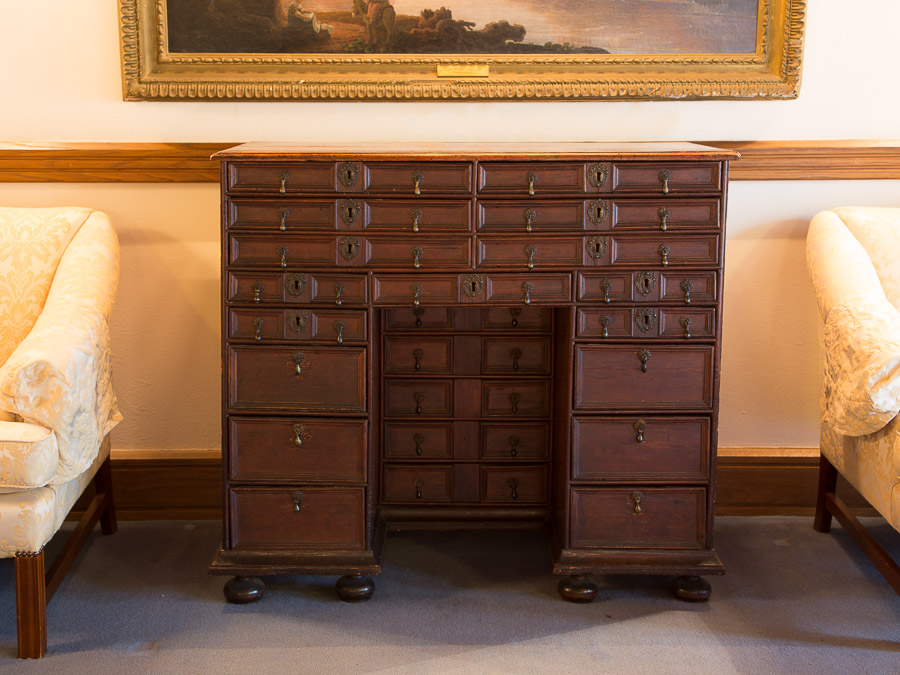
If you open these, in the rather gloomy lighting of the room, you see some dusty items under dusty glass, and it's hard to make out anything of much interest.
However, the college now has some funding to get the contents properly catalogued, and, since I've been doing a bit more professional photography recently, they hired me to take some photos of the interior. I set up a lighting rig, and the librarian and I carefully removed the glass panels covering most of the drawers. Under proper lighting, the contents came alive.
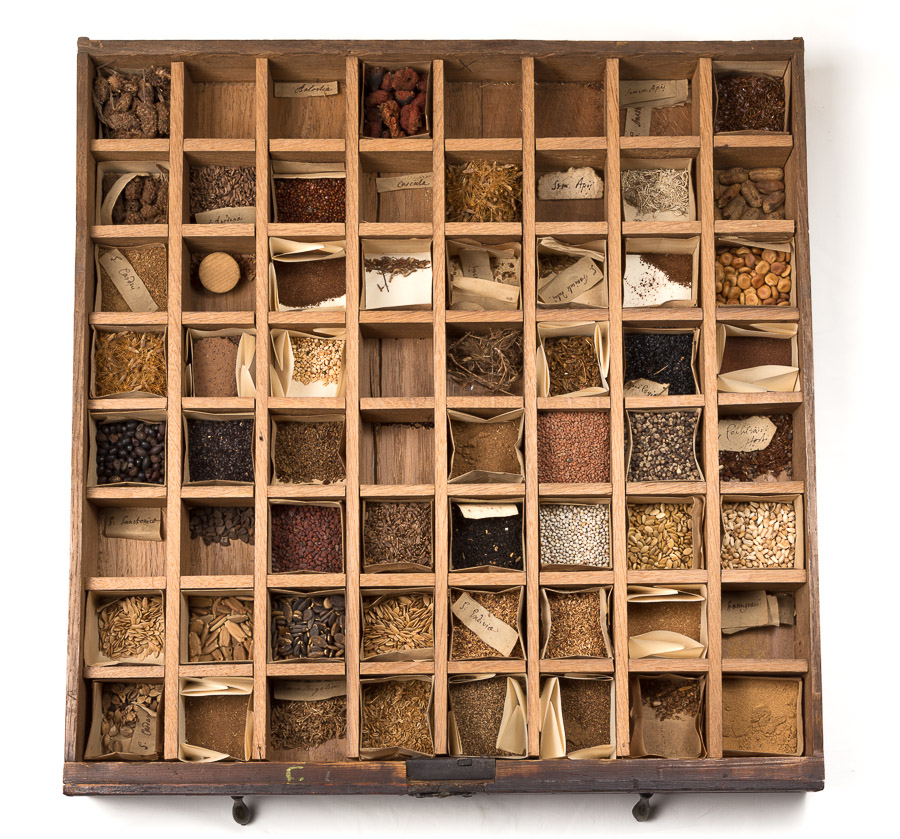
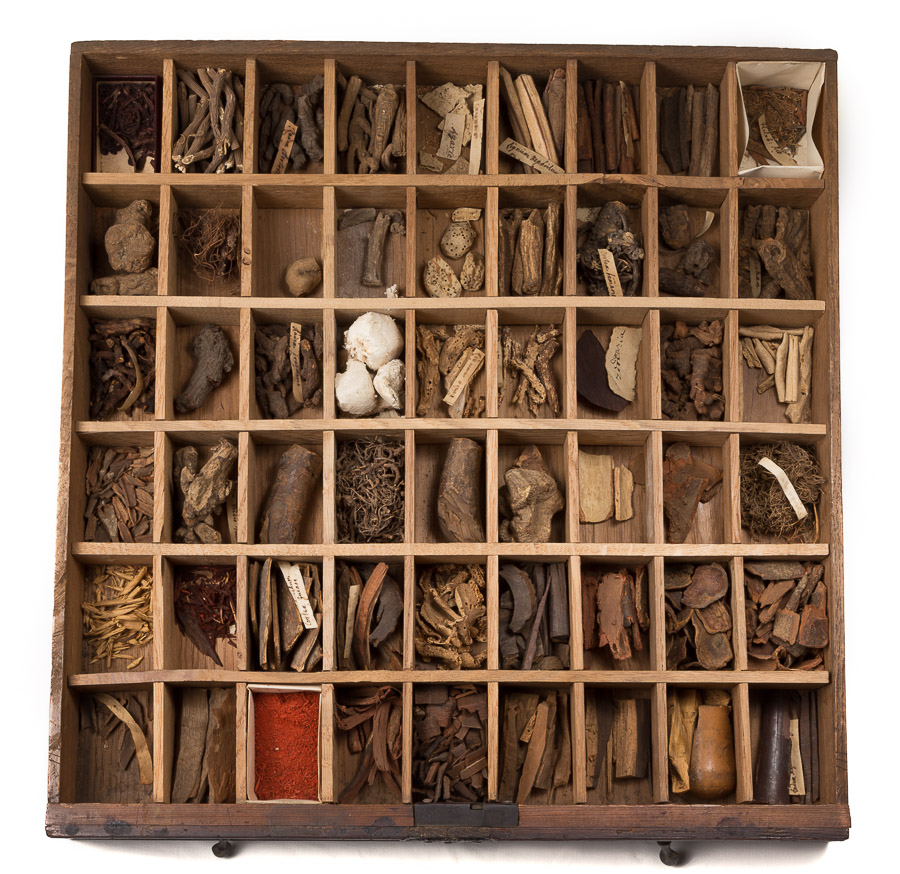
There are seeds, powders, bones, fossils, stone axe-heads; even a wooden clog in one of them!
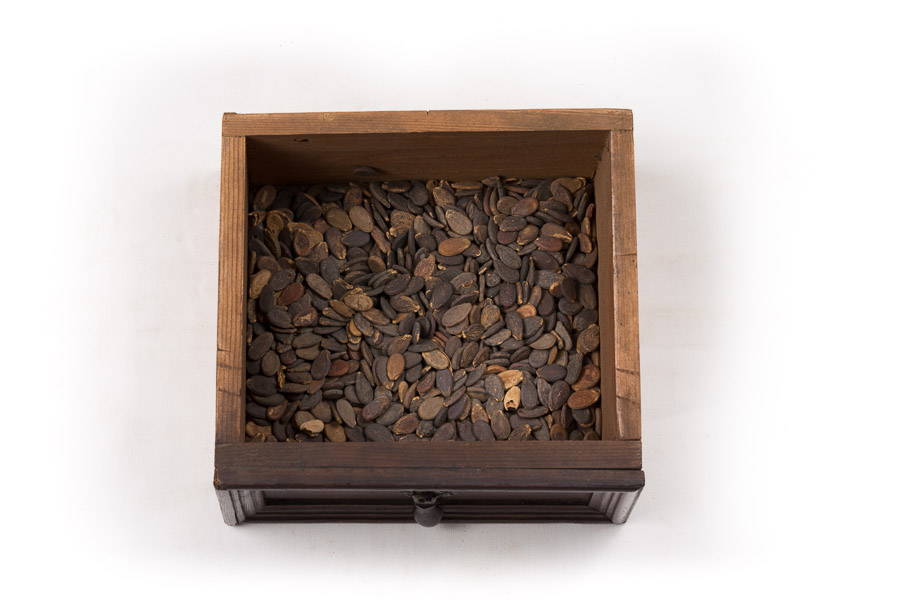
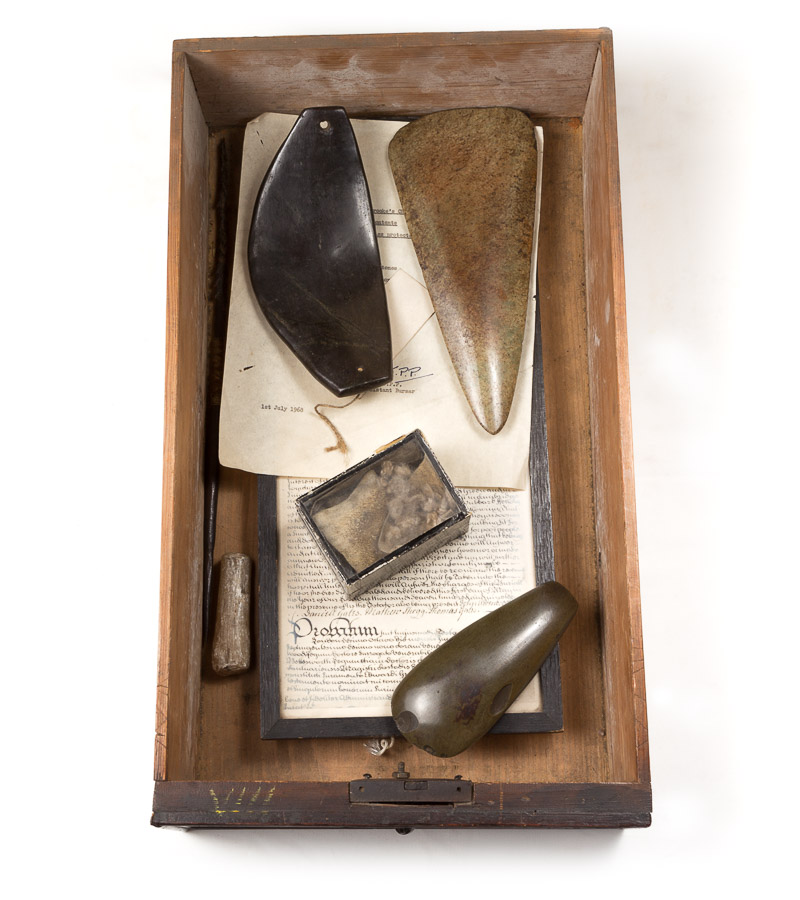
The full details will appear on the college website once the experts have done their job identifying the contents. My thanks to the college for permission to publish a few images here.
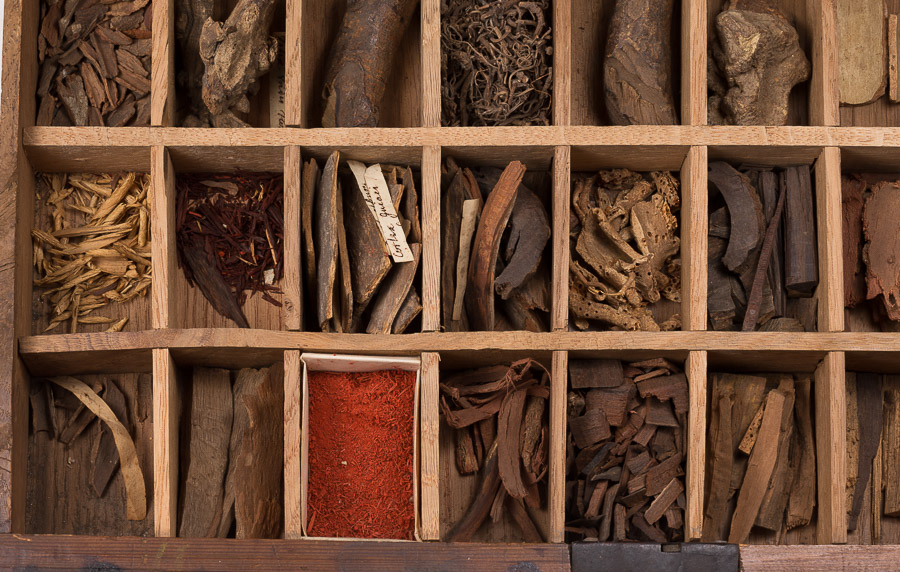
I can't wait to find out what some of these are, and where they came from!
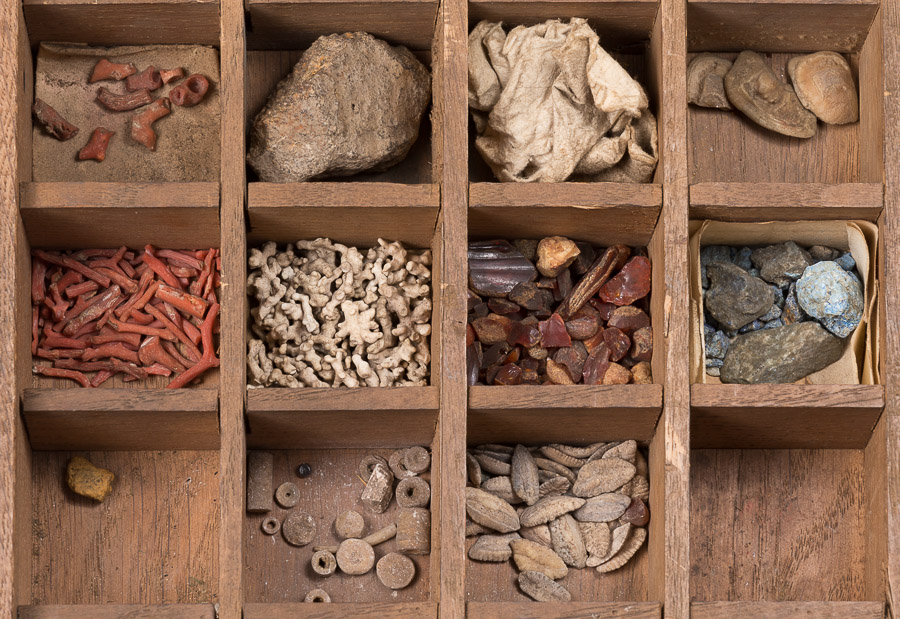
Anyone recognise anything?
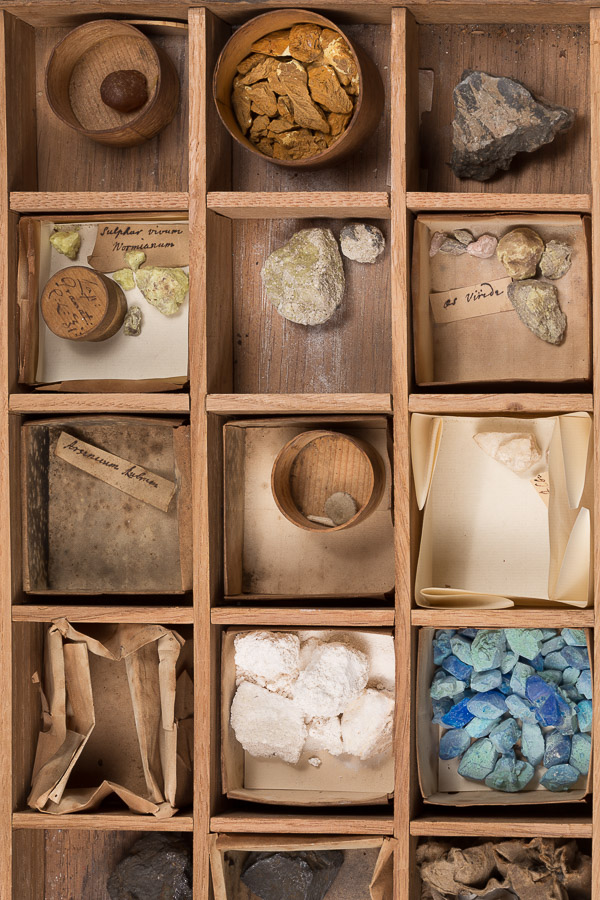
One thing I realised, when I got home, is that I needed to wash my hands thoroughly, since, for all I knew, I'd been spending the afternoon dusting my fingers in 300-year-old arsenic, or worse!