Posts from July 2012

The Face & Tripod revisited

I've written before about my favourite guide to public speaking: Brian Robinson's curiously-named slim volume: "The Face & Tripod".

So I'm delighted that it's now available in a Kindle edition (UK, US, DE) which means I'll have it not just on my bookshelf, but on my Kindle, laptop, iPad and phone, when I head for the next speaking engagement...

Recommended. It's a fun read, too.
Back in contact

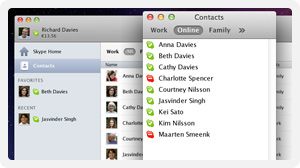
After my recent post about how much I liked Skype, and how much I disliked what they'd done to the Mac version recently, it seems only fair to point out that the worst aspect of the redesign - the amount of desktop space it takes up - has largely been fixed in the latest version.

There's now a 'Contacts monitor' window, which you can tuck down the side of your screen as in the good old days, and get rid of the main window (at least until you're actually in a conversation).

I still don't think version 5's layout is as good as 2.8's, so I'm pleased that they still give you the option of using that version, but, with a bit of tweaking, it comes close. I'm also willing to believe that there may be improvements under the hood that are worth having. And it also looks as if they're listening to their customers. So I've upgraded my machines.

Ye Olde Hokey Cokey

Remember the little rhyme that we call the Hokey Cokey, but our transatlantic cousins call the Hokey Pokey?

A chap named Jeff Brechlin created this wonderful Shakespearean rendering of it.

O proud left foot, that ventures quick within
Then soon upon a backward journey lithe.
Anon, once more the gesture, then begin:
Command sinistral pedestal to writhe.
Commence thou then the fervid Hokey-Poke,
A mad gyration, hips in wanton swirl.
To spin! A wilde release from Heavens yoke.
Blessed dervish! Surely canst go, girl.
The Hoke, the poke -- banish now thy doubt
Verily, I say, 'tis what it's all about.
        -- by "William Shakespeare"

Wonderful stuff - thanks to Adrian Higgs for pointing it out.

Climbing the rigging of the Ship of the Fens

2012_06_26-13_50_57.jpg

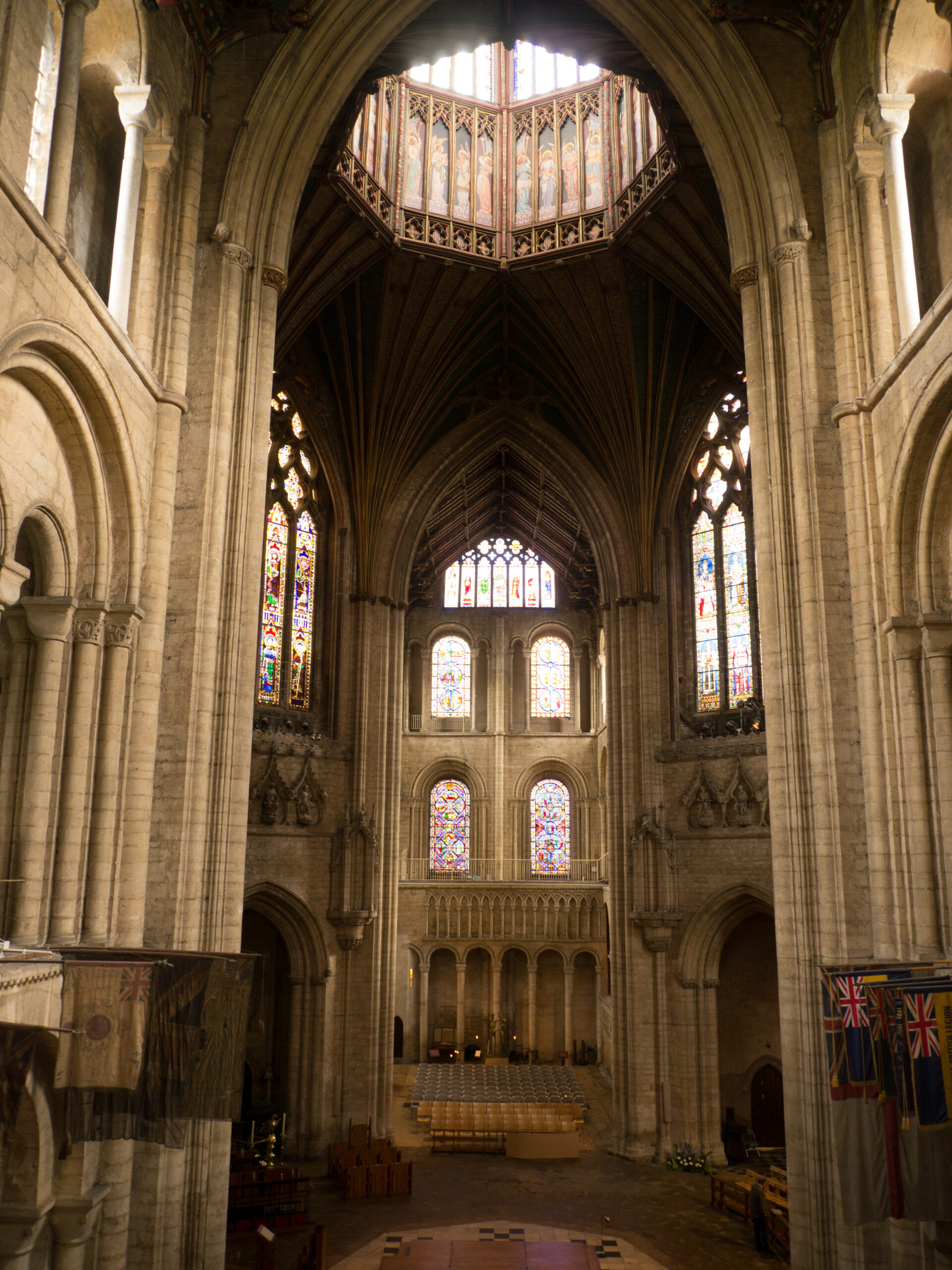
Ely Cathedral is an amazing place – most of the structure being an outstanding feat of engineering nearly a thousand years old.

2012_06_26-14_40_58.jpg

I've been visiting it for about the last thirty, but not until a couple of weeks ago did I go on one of the tours that let you see behind the scenes. Or 'above the scenes', really; you go right up into the octagon. You see those paintings of angels at the top of the picture above? Here they are a little closer:

2012_06_26-14_15_51.jpg

And here's the view if you look down:

2012_06_26-14_17_27.jpg

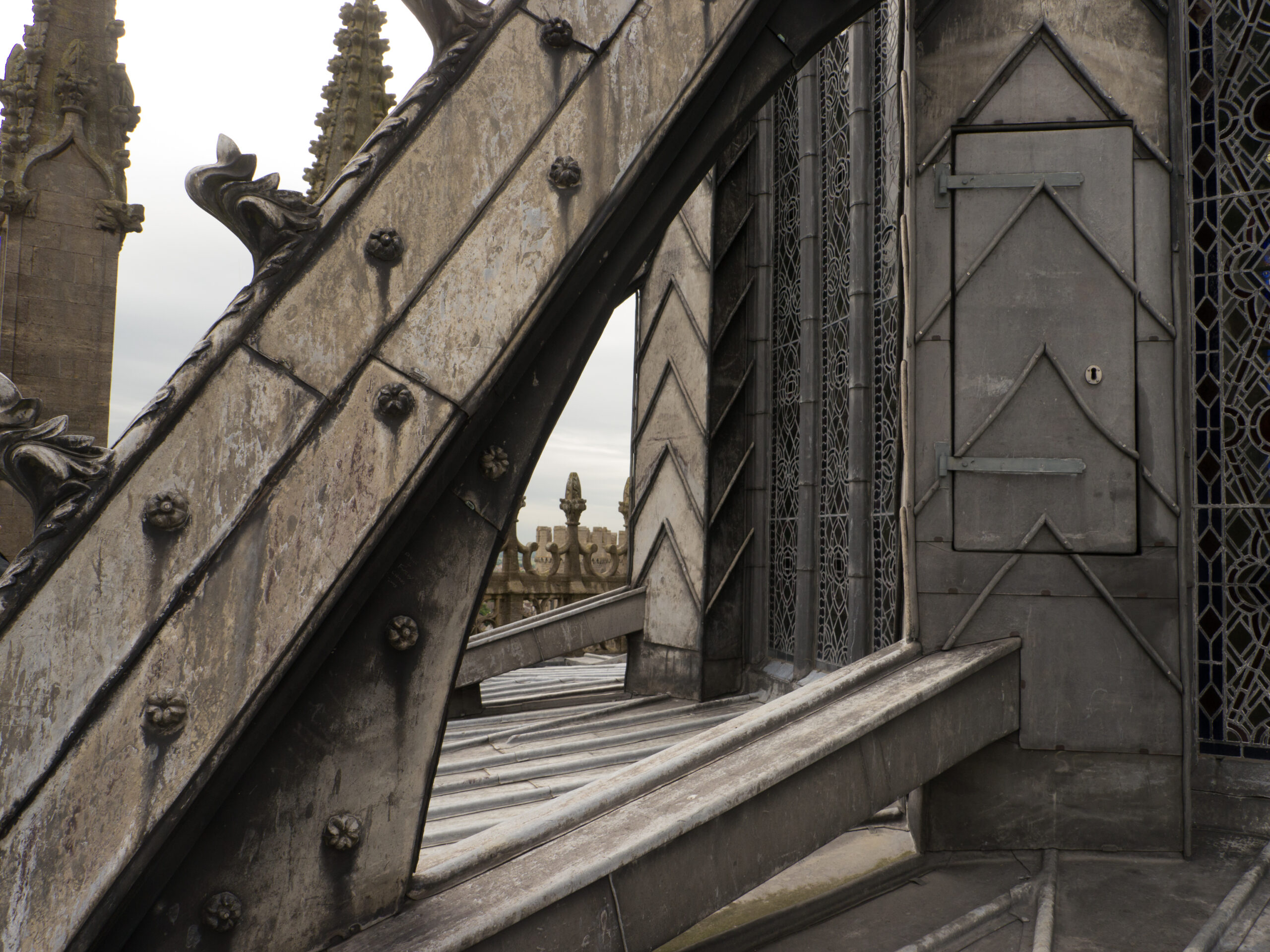
The lead on the roof outside is also rather pleasing.

2012_06_26-14_28_33.jpg

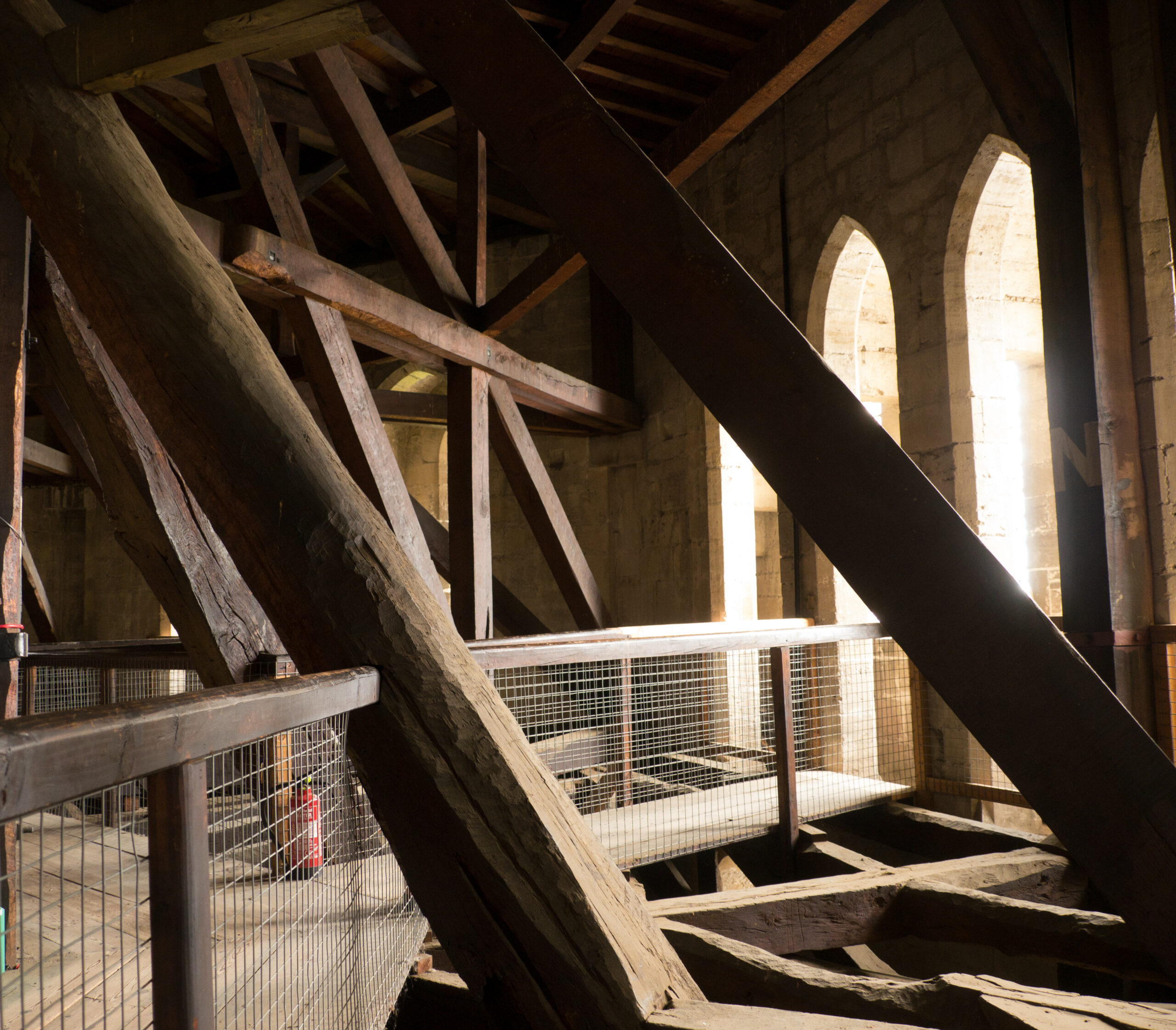
And behind the decorations, millennium-old tree trunks hold it together.

2012_06_26-14_08_17.jpg

Lots of good launching points for birds.

2012_06_26-14_04_03.jpg

This clock is high up on the western tower – normally only seen from a couple of hundred feet below!

2012_06_26-14_35_47.jpg

And stained glass, I always think, is best enjoyed close-up.

2012_06_26-13_56_02.jpg

Definitely recommended if you get the chance. More information about the tours can be found here.

2012_06_26-14_46_15.jpg

Too Much Email

Nick Bilton in an article in the NYT:

A research report issued this year by the University of California, Irvine, found that people who did not look at e-mail regularly at work were less stressed and more productive than others. Gloria Mark, an informatics professor who studies the effects of e-mail and multitasking in the workplace and is a co-author of the study, said, ""One person in our e-mail study told us after: I let the sound of the bell and pop-ups rule my life."" Ms. Mark says one of the main problems with e-mail is that there isn't an off switch. ""E-mail is an asynchronous technology, so you don't need to be on it to receive a message,"" she said. ""Synchronous technologies, like instant messenger, depend on people being present.""Although some people allow their instant messenger services to save offline messages, most cannot receive messages if they are not logged on. With e-mail, it is different. If you go away, e-mails pile up waiting for your return. Avoiding new messages is as impossible as trying to play a game of hide-and-seek in an empty New York City studio apartment. There is nowhere to hide.
My two top tips for email, if you're overwhelmed:
  • Don't have it on all the time, and for God's sake don't let it ping or beep at you whenever a message comes in. That way madness lies. For your loved ones as well as for you. I tend to check my emails in the morning and in the evening. Occasionally in the middle of the day...but don't count on it.
  • Email isn't instant messaging. If people need an immediate reply they should be using some other technology to contact you. And one of the best ways to ensure you get more email is to keep responding to it promptly! Besides, I often read emails in a spare minute on my phone, when replying isn't really practical.
I've often thought about creating an auto-reply system a bit like a voice menu: "Thank you for your email. Your message is important to us and will be answered just as soon as one of our representatives is available. Your email is currently number 74 in the queue..." But as we've discussed before, I really think email needs a small cost associated with each message...

The root of happiness

Over dinner last night it occurred to me that, amidst the great and the good, the Nobel laureates and knights of the realm, the giants of history and legendary figures of the past, there is one man (or woman) who has never been awarded the recognition they deserve; someone whose exploration and discovery has perhaps contributed more than anyone else to the sum of human happiness (in exchange for minimal expenditure of labour)...

    I am referring, of course, to the man who first baked a potato.
Actually, I've always thought that one of the fun things about having a time machine would be to go back and research some of life's more unexpected discoveries. Who was it, for example, who first thought of trying nettle soup? Someone either very adventurous, or exceedingly desperate, I imagine... Of which discovery would you most like to uncover the true history?