The woodland realm
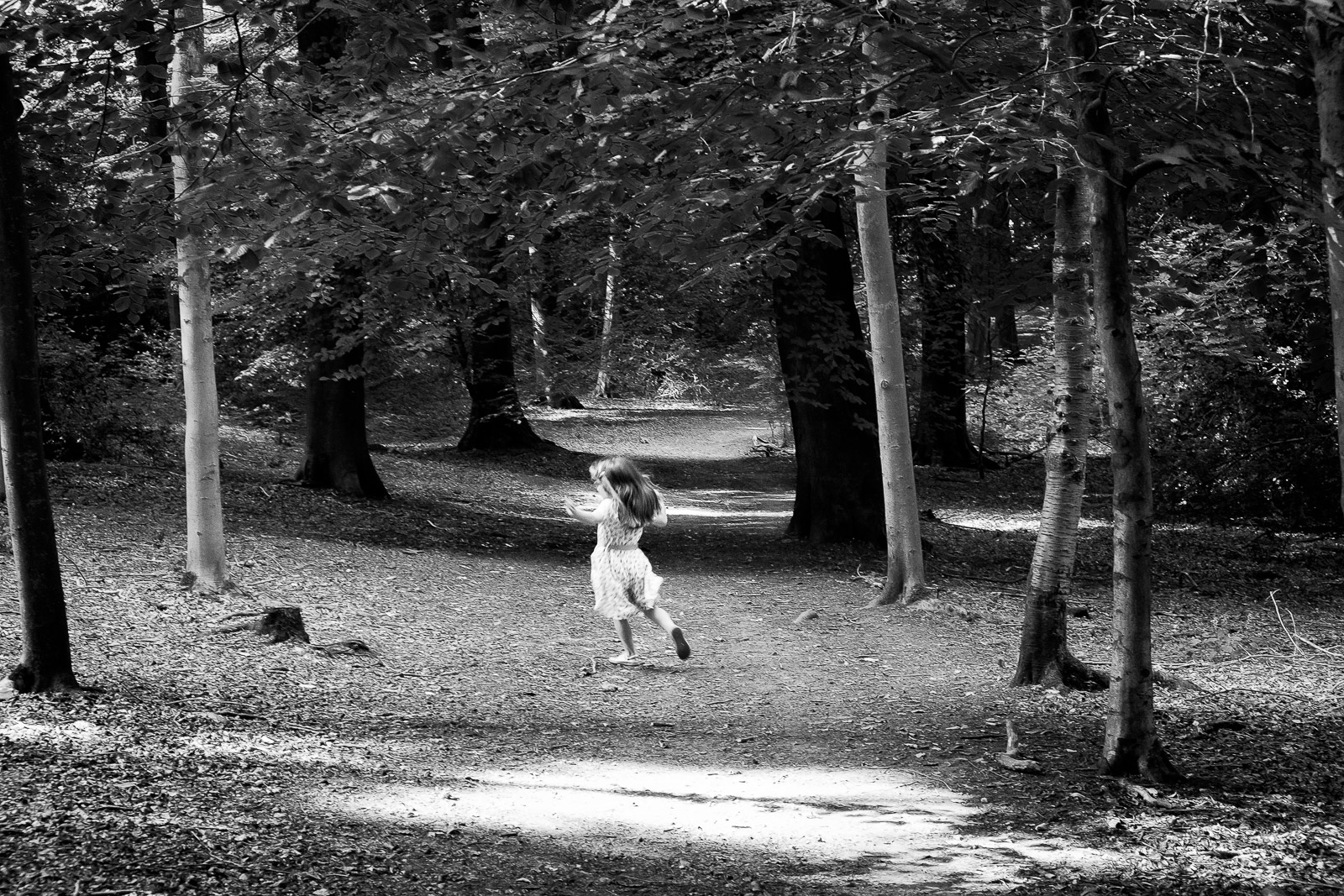
My friend Jade, helping me walk Tilly this afternoon.
Quentin Stafford-Fraser's blog
One should always have something sensational to read on the net...
My friend Jade, helping me walk Tilly this afternoon.
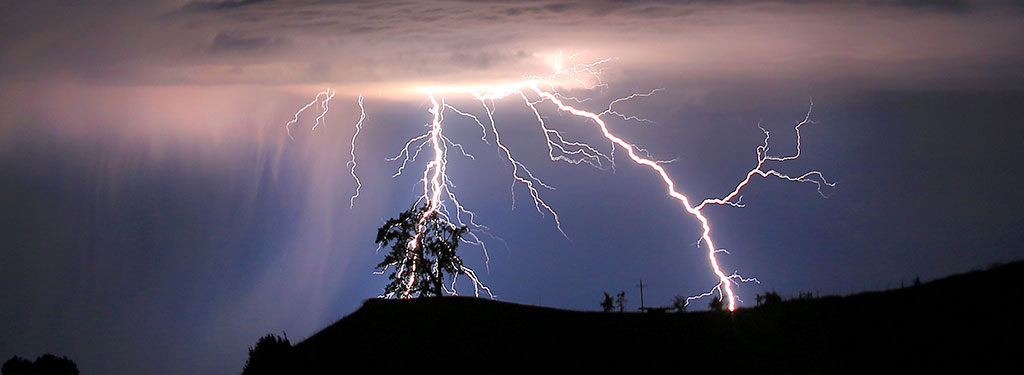
There seem to have been a few reports of people being struck by lightning recently - this recent tragedy in the Brecon Beacons being one example.
So what should you do if you find yourself at risk? My first thought would be to get close to something taller and more conductive than me. But this site suggests it's a bad idea - being close to a strike can be almost as dangerous as being hit. They also recommend sitting on your rucksack, to insulate you from the ground, which I guess is fine as long as there hasn't been any rain recently.
On a cheerier note, I saw some reports last week about a man who had been struck twice in his life, and survived both. This was pretty unusual in itself, but the focus of many of the articles seemed to be his name: Rod.
Photo: Kent Porter. Thanks to Jo for the link to the mountain safety site.
Many thanks to Richard Mortier for pointing me at a great Tumblr blog: We Put A Chip in It!. Their tagline: "It was just a dumb thing. Then we put a chip in it. Now it's a smart thing"
It's full of videos which are most amusing. Some of them intentionally...
One of the websites I most enjoy browsing, perhaps because it's really rather different from most of my other reading, is Colossal.
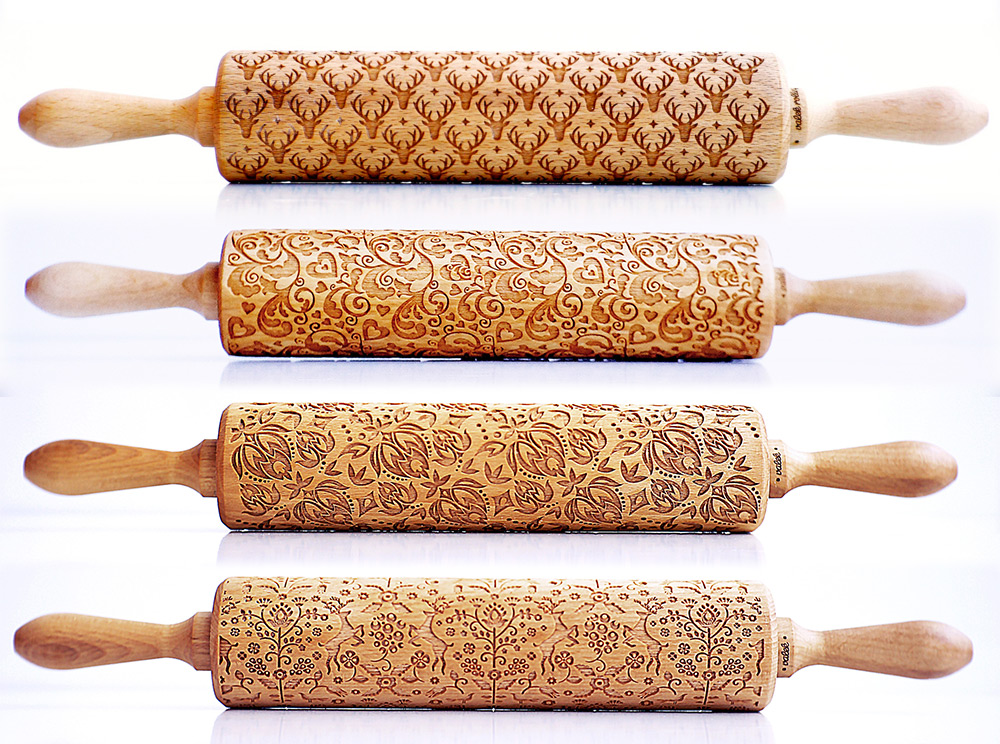
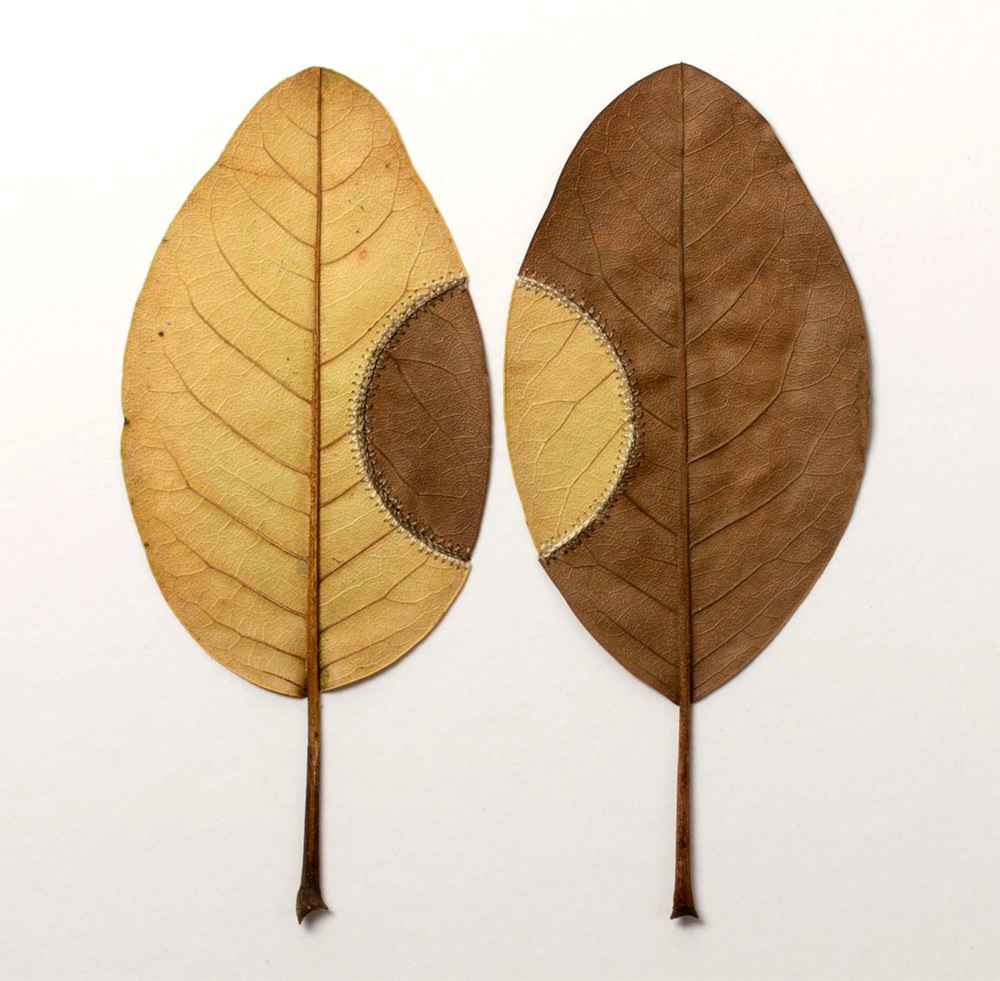
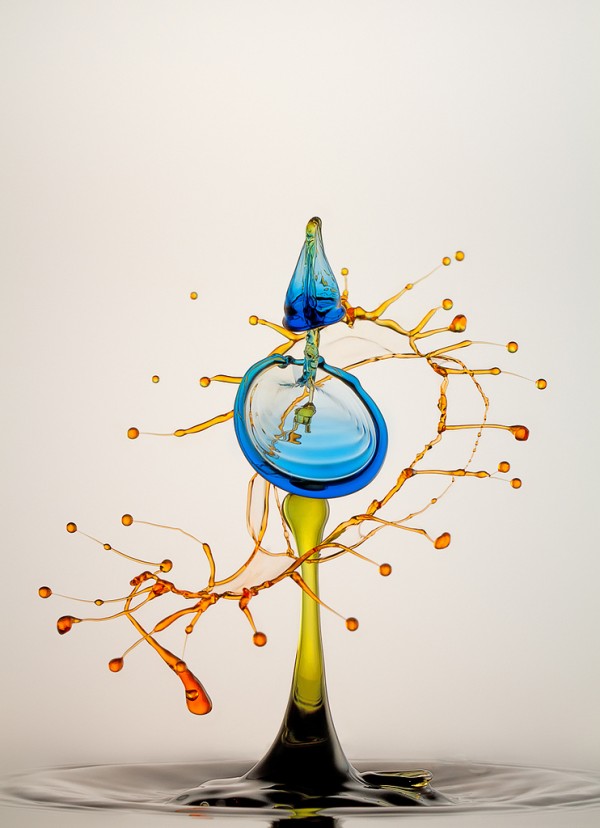
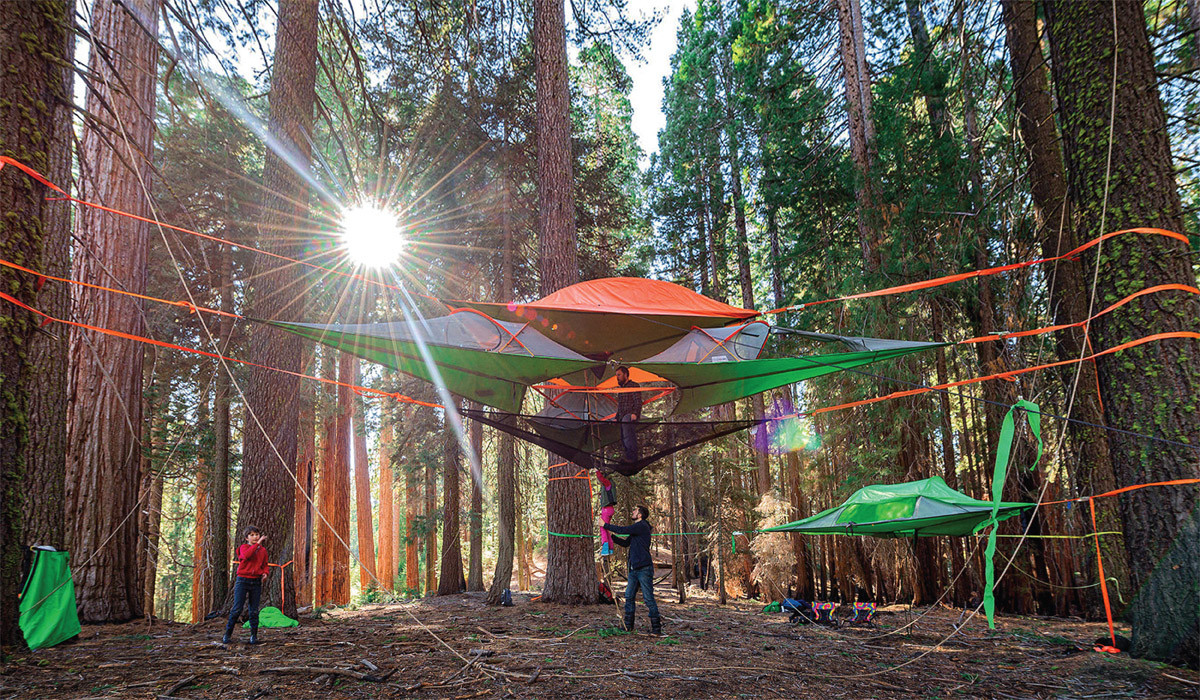
Dedicated to 'Art, Design, and Visual Culture', it's somewhere you can always find striking images. Here are some of my recent favourites - click on them to go to the relevant articles and find out what they're all about...

 I've never yet paid for a streaming music service. I greatly enjoy music, but seldom listen to much these days, and when I do, it's generally in the car, where such services are normally of limited use. At home, I can't really listen to music and get any work done at the same time, though I sometimes try to persuade myself otherwise. And when I'm not working, I'm more likely to be listening to podcasts or audiobooks.
Also, the typical subscription for such services costs about the same as buying a track every 3 days, which is probably more than I typically spend, and if I did, I would then own the music indefinitely and not just for as long as I kept paying. So Spotify, Last.fm and all the others have not, so far, been for me, any more than Office 365 or Adobe Creative Cloud.
But the chance to play with Apple Music during its three-month free trial has persuaded me that I might be tempted to change my mind, and not just to get more access to Sting, Paul Simon or the Wailin' Jennys, nice though that is. No, what I've been enjoying this weekend are the classical playlists, which I can enjoy while working, or at least while writing blog posts. This comes to you from my sofa, accompanied by some delightful Chopin, which sounds rather good played from my laptop via some AirPlay jiggery-pokery to my Sonos amp and KEF speakers.
This makes a bit more sense to me, because if I hear a song I like on the radio, I'm likely to pay the 99p or so to own the definitive version, but if I hear a Schubert sonata, how many albums will I need to purchase to find out whether I prefer the interpretation from Barenboim, Brendel, Paul Lewis or one of the dozens of other options?
I seldom listen to classical music in the car - I think you need a quieter car than mine for that to work well - but a streaming service might persuade me to listen to rather more at home.
Some of you may know that, alongside my normal consultancy business, I spend one day a week in the University Computer Lab for a change of scene. I've been doing this for a couple of years now, working on Frank Stajano's Pico project, which is trying to create a better replacement for passwords, as the normal way to authenticate yourself to digital systems.
One of my roles in the project has been cameraman/video editor. Last year we produced the original video describing the project:
and just last month we did an update, which describes in more detail how the current phone-based prototype works underneath.
It's been a fun couple of years - as well as the videos, we've produced a lot of code, we've written some papers and some blog posts, given some talks, and had quite a lot of fun at times.
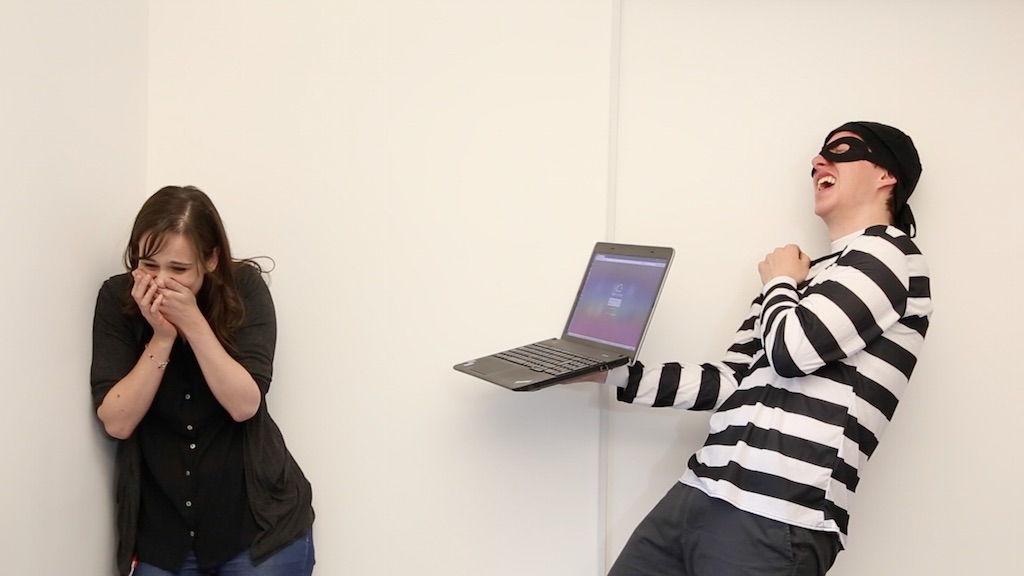
But I felt it was time for a change, so I've recently moved to a new project, which is in the so-called Rainbow group - somewhat nostalgic for me, because it's where I did my Ph.D. about 20 years ago.
In this group, we're looking at how we can improve the ways cars communicate with drivers, and, while the only web page about the project is somewhat limited at present, no doubt this will change over time...
Should be fun... more info in due course.
I tend to post quick links to Twitter (from where they're cross-posted to Facebook), but I know from long experience that if you want to keep a record of anything and have some chance of finding it again in future, you need to keep it yourself.
So here are a few interesting things from the past week:
TheConversation is a news-analysis and opinion site where the authors are academics. Their tagline: 'Academic rigour, journalistic flair'. If you want serendipitous news discovery with intelligent writing, but old media just isn't doing it for you, this may be worth a try.
Old URLs don't die, they just get reincarnated. Beware of letting your old DNS domains lapse, especially if they live on in a tangible form.
This map of the Granta Backbone Network will interest any Cambridge people wondering how the university networks connect together.
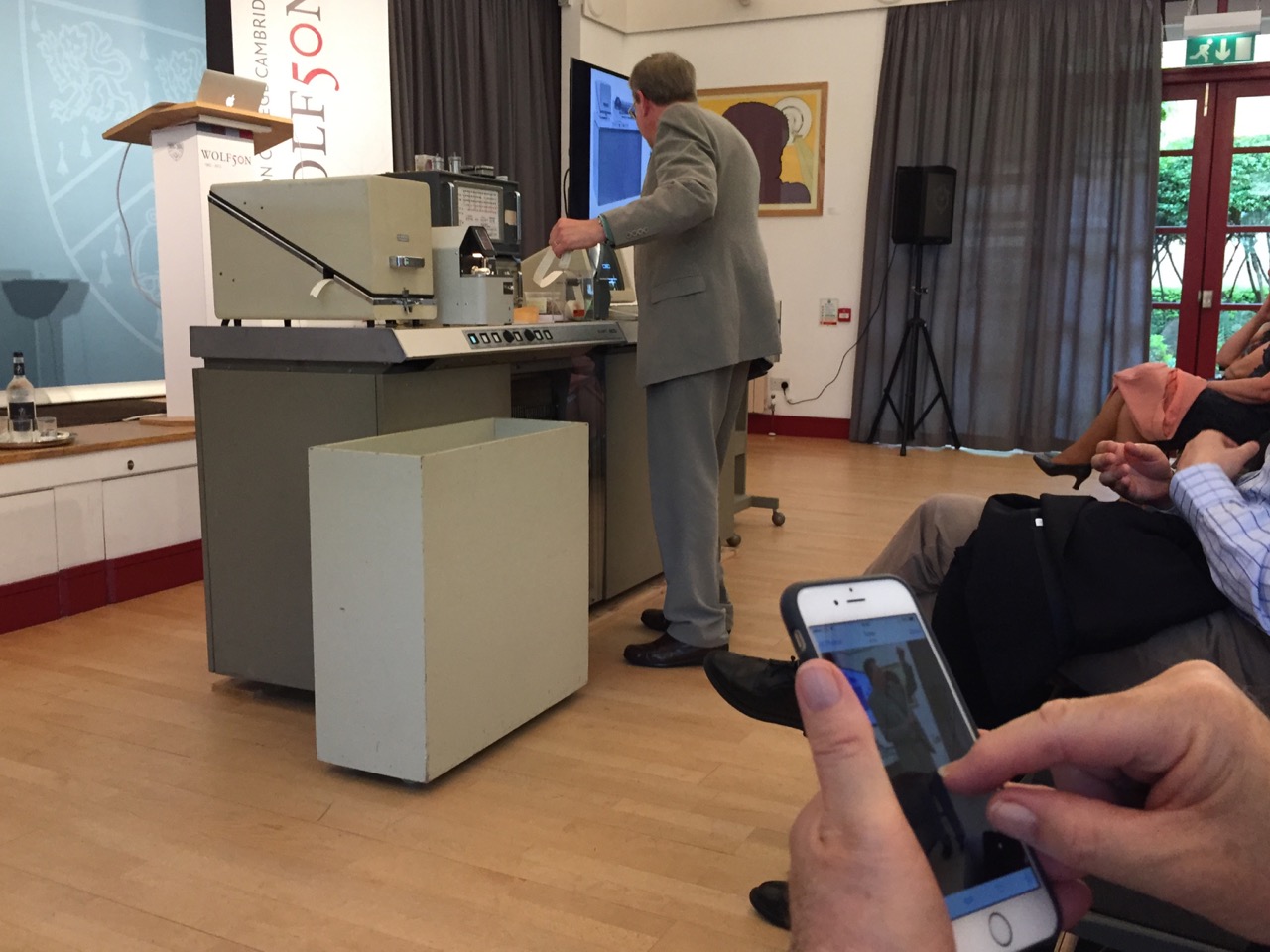
The Wolfson@50 talks continue to be interesting and informative. Andy Herbert brought his mobile computer, an Elliot 903, to his talk on Wednesday.
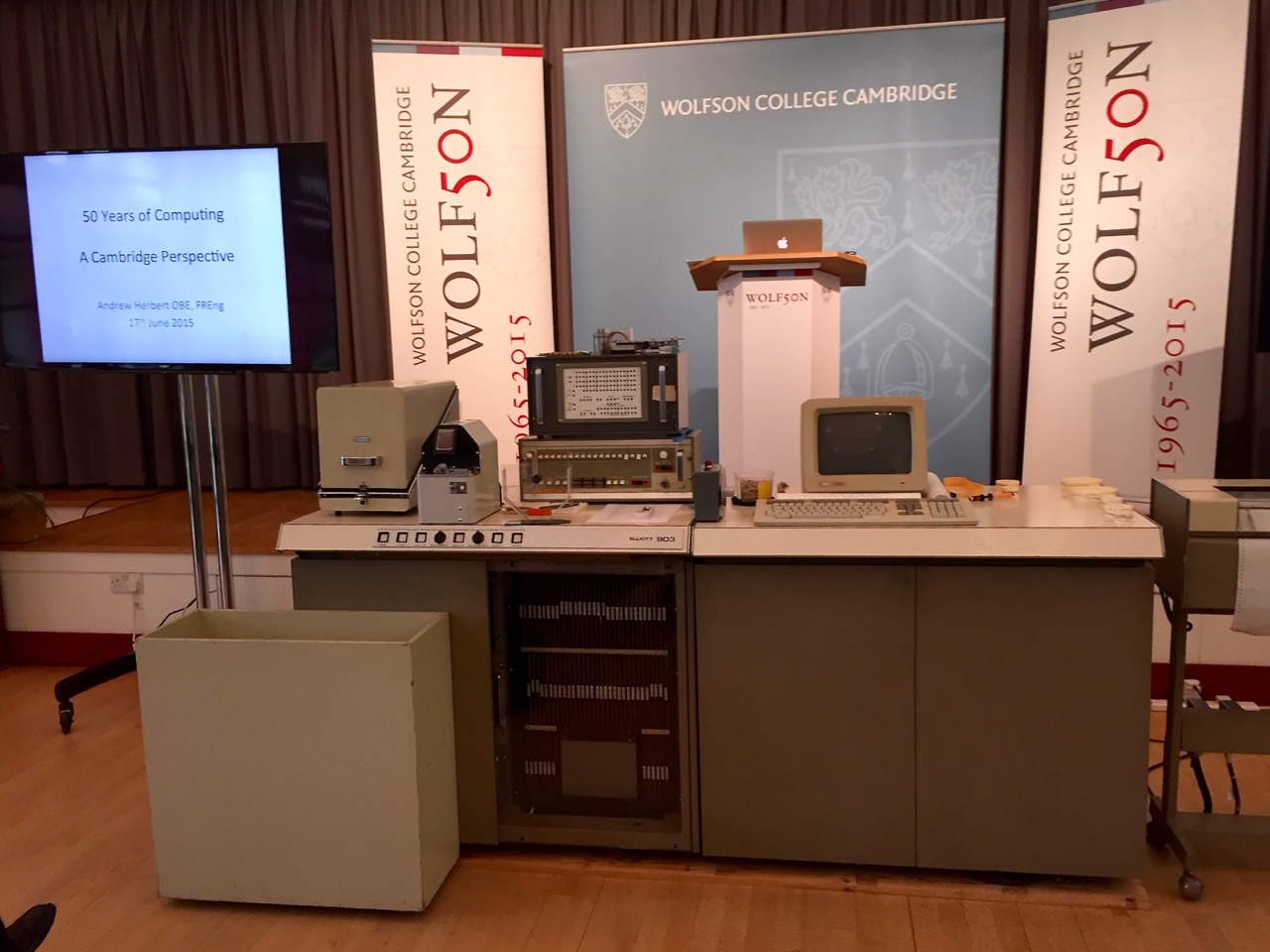
While he set it up, John recorded the event on his more powerful one.
From our 'Things we could patent but probably won't' department...
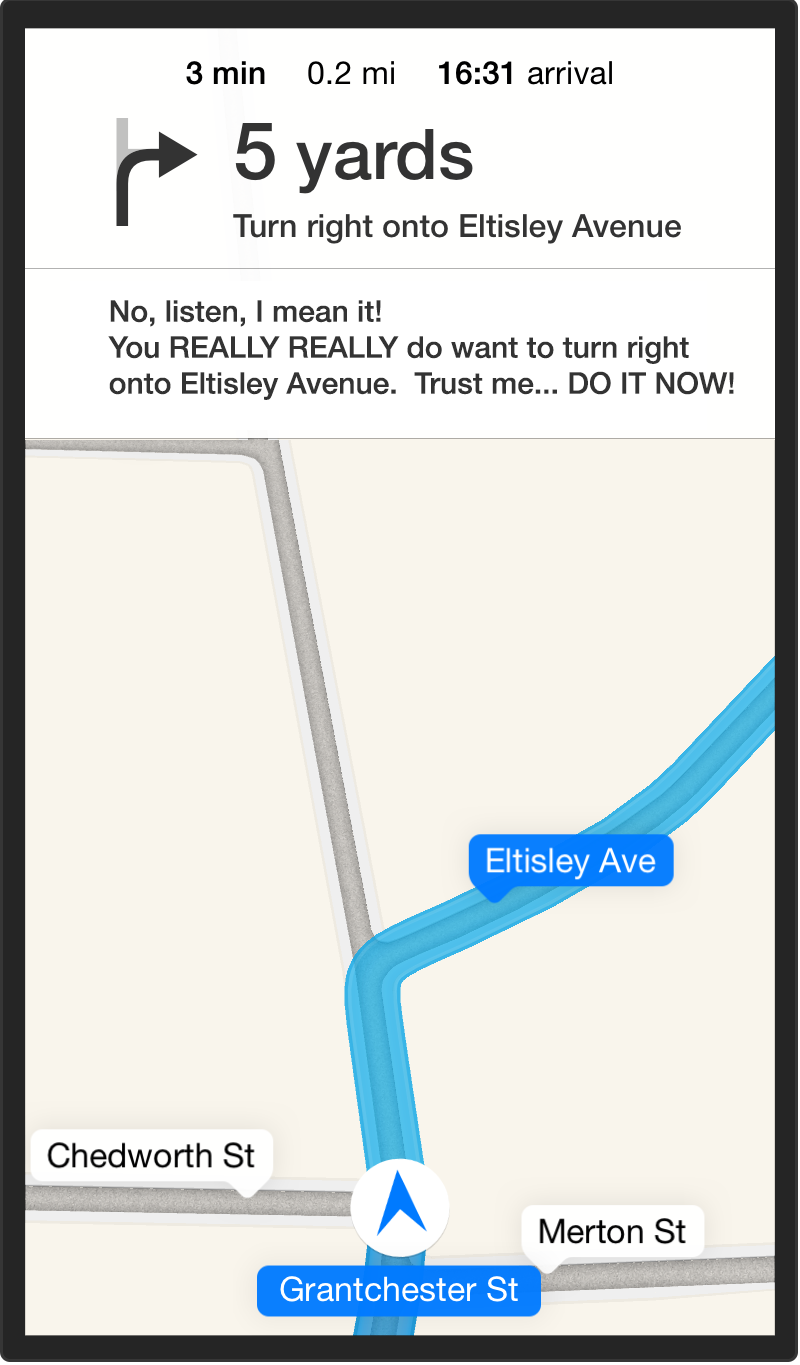
Here's something I'd like, which should not be too hard to create: a satellite navigation system that understood, when it gave you a direction, the consequences of your failing to do so.
If it's telling me to take a motorway exit which, if I miss it, will involve driving 10 miles further on before I can even turn round, I'd like it to notify me of that in no uncertain terms. It can flash red and yell at me if necessary, especially if I don't seem to be slowing down and changing lane. It can do so even if I normally have the audio turned off. And it can do so if the route it previously suggested is no longer appropriate, because there's been an accident resulting in a three-mile tailback.
If, on the other hand, it wants me to turn left but there are several other left turns ahead, any of which will do, and none of which will add more than a minute or two to my journey, then it can inform me in a much more relaxed way.
What do you think? Am I on to something here?
A few years back I wrote about how I thought home computing power and heating systems should be combined, to make good use of excess heat from CPUs in the winter, or to provide efficient cooling for them from building-scale aircon systems in the summer.
 My friend Ray sent me a link to this article about Nerdalize - a Dutch company who provide something that looks like a radiator, to heat your home, and is actually a server on which they sell computing capacity to others.
I'm not sure whether they can make this work at scale, but it's an intriguing idea, especially in a country like the Netherlands where fibre-to-the-home is more readily available than here. It saves you building expensive data centres, but also makes for great reliability, I imagine, at least in the aggregate, since your overall network is not dependent on small numbers of power supplies, network connections or geographic locations.
"The well-dressed man", said Somerset Maugham, "is he whose clothes you never notice."
In the upcoming releases of Mac OS X, iOS and watchOS, Apple is changing the standard system font -- used in widgets, menus, etc -- to a new typeface created especially for the purpose, named San Francisco.
I think it's very simple and elegant, and will work well, but, in most situations, typefaces are successful if you don't notice them. Occasionally, however, it's intriguing to see what goes on behind the scenes when a type designer sets out to create something that we should appreciate but not actually notice.
This talk from Apple's WWDC shows that there's a lot more involved in the creation of something like San Francisco than you might suspect.