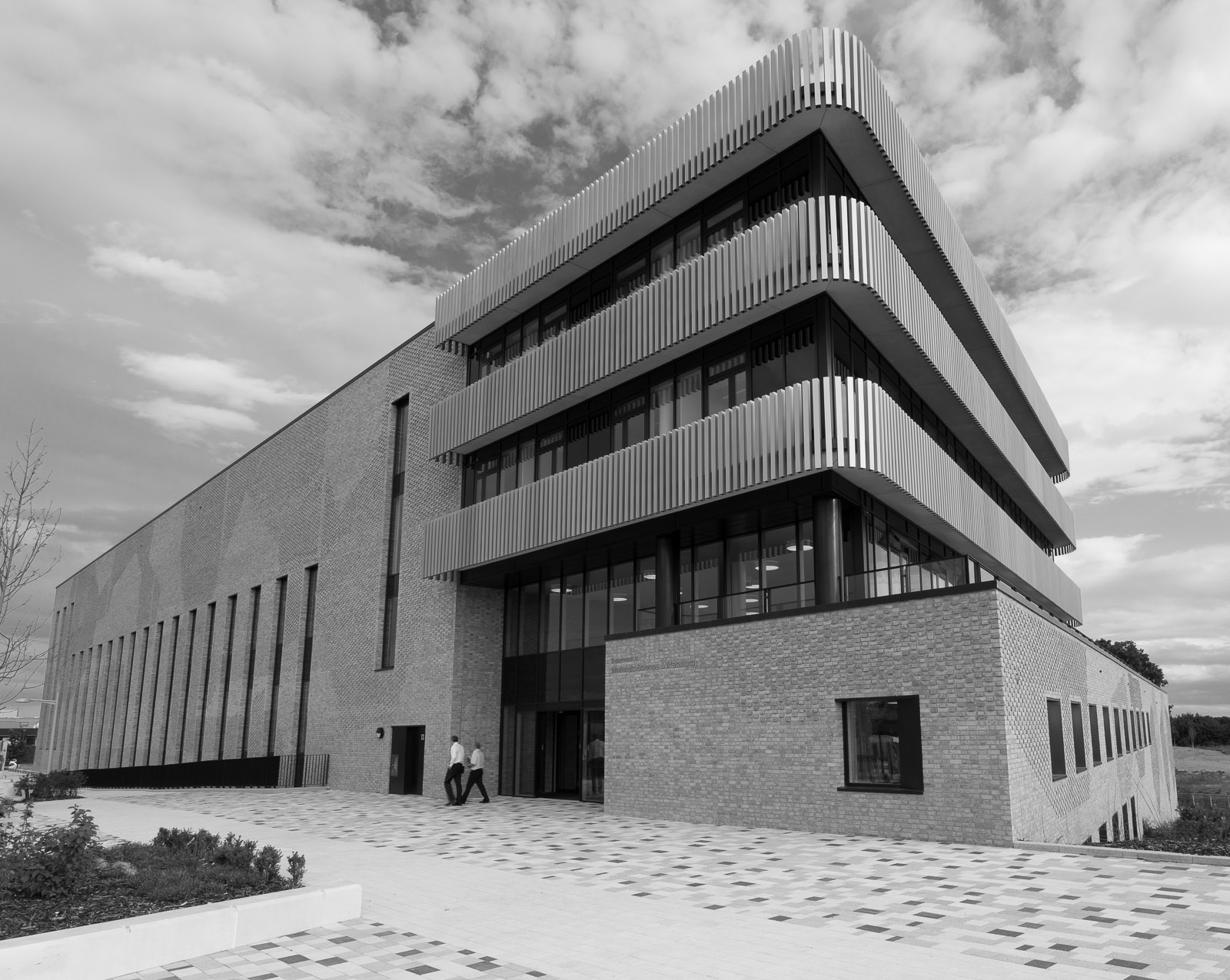
Born and raised in south Detroit

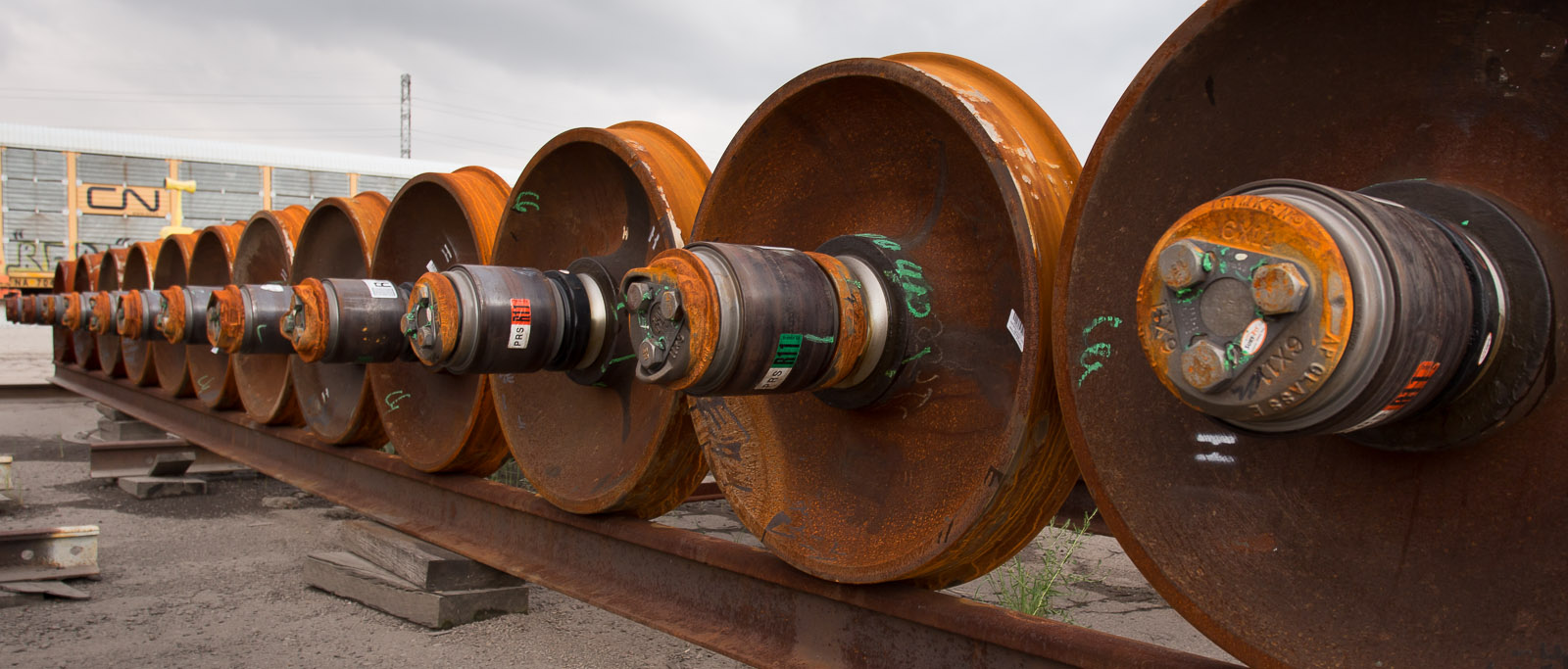
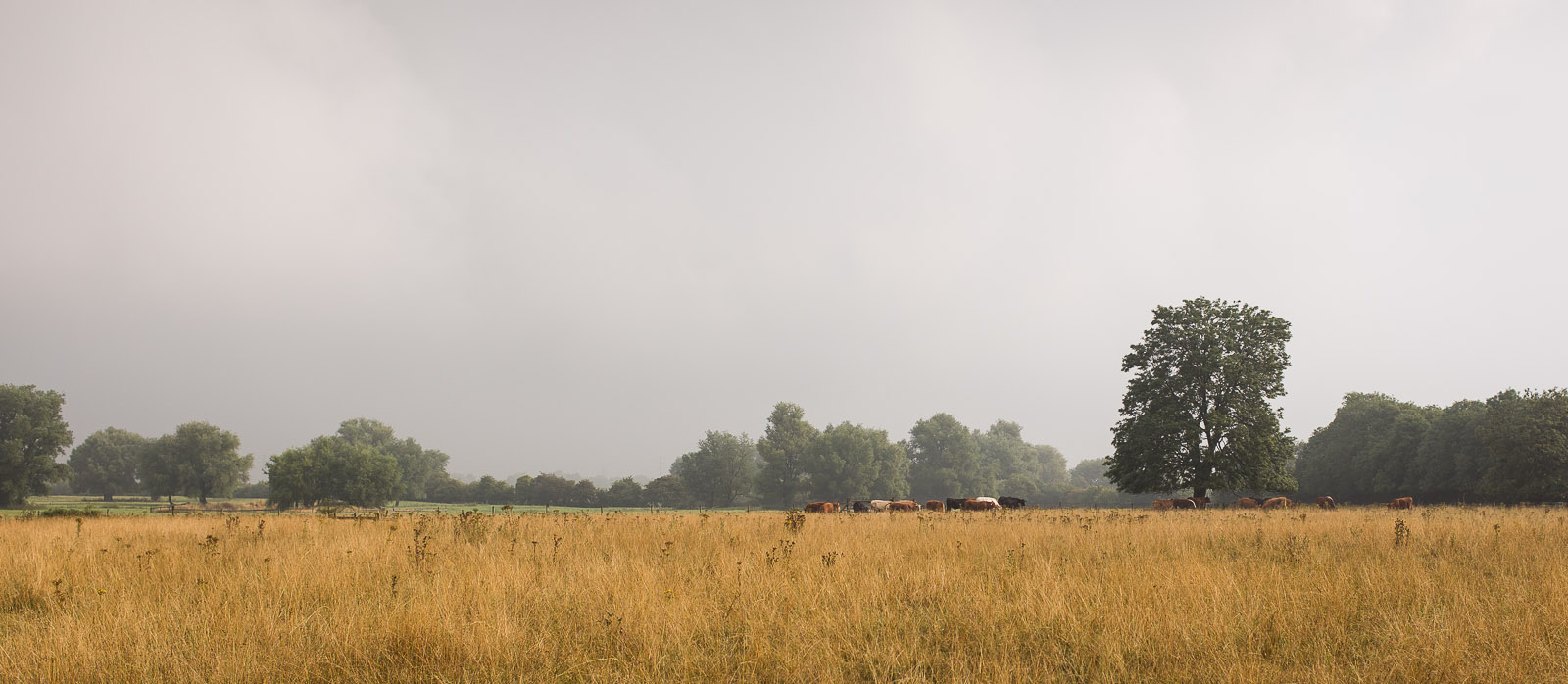
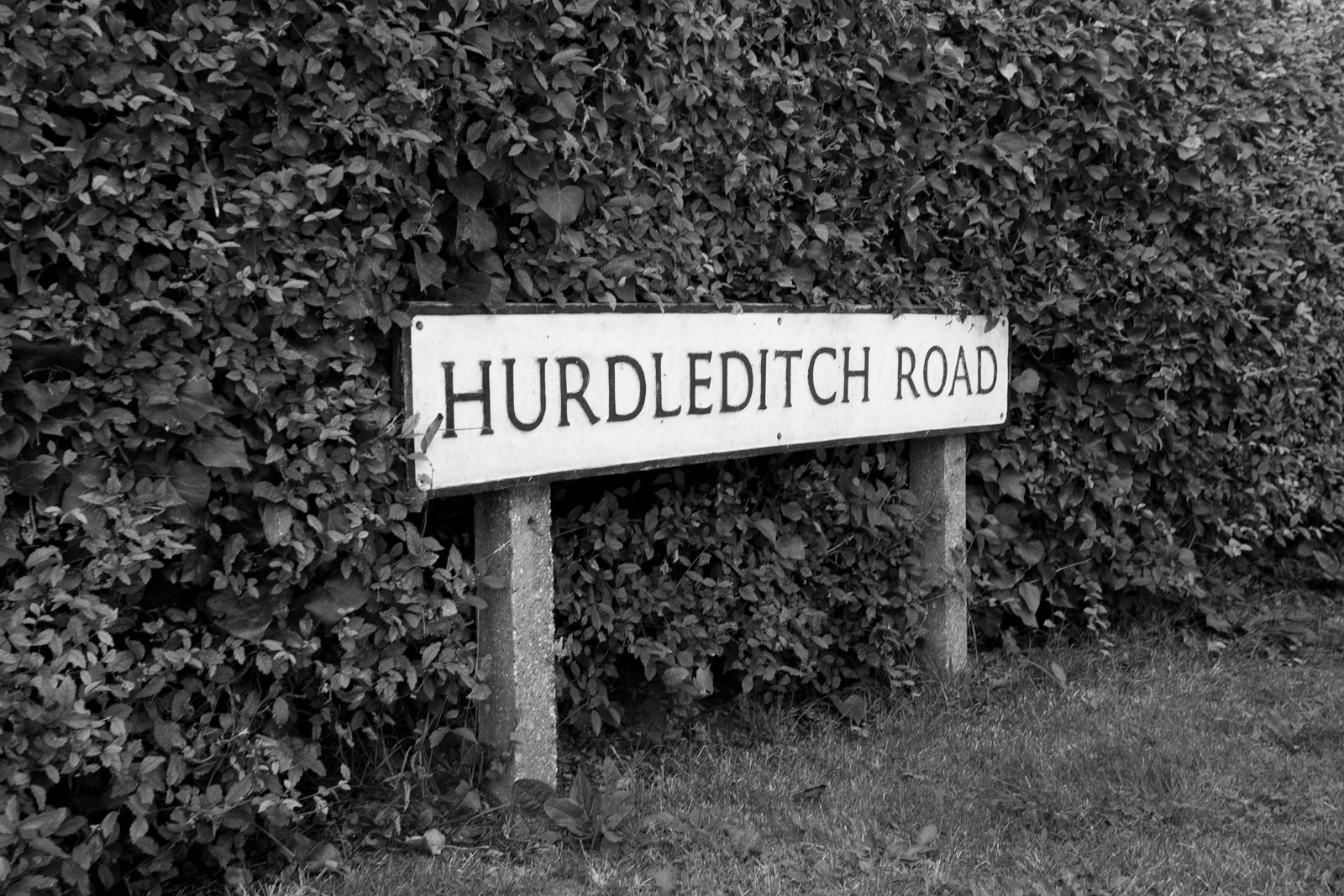
A couple more pictures from the industrial periphery of Motown.

20130831-23591701

Just a city boy, born and raised in south Detroit

20130901-00081105

He took the midnight train goin' anywhere...

20130901-00311818

By the time you read this, in contrast, we'll have taken the dawn train going to Montana, from where I'll probably post some rather different photos!

White Balance

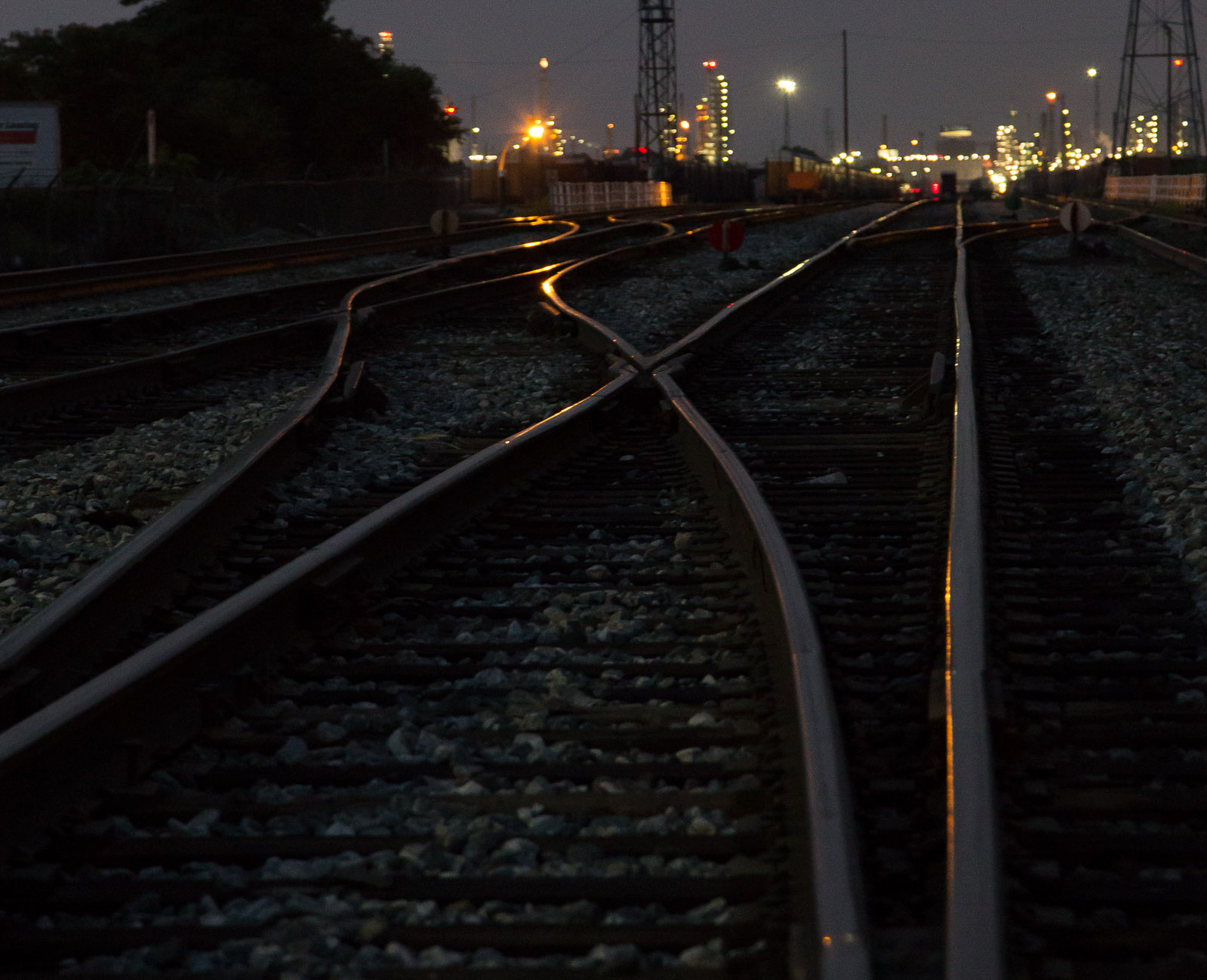
I was quite pleased with this shot, taken by the Marathon Petroleum plant in Dearborn, Michigan last night.

20130901-01004921

(You can click it for a larger version, which looks much better)

This was handheld - I wish I'd had a tripod, but at this point the security guards pulled up and asked us to move on...

Part of what makes it 'pretty' is the use of two different types of lighting - given the industrial location, I imagine the golden light is sodium and the silver is halogen - and the camera's auto white-balance did a good job of reproducing what I saw.

But when I got home and loaded it into Lightroom, I thought it would be fun to try calibrating the white balance based on a chimney lit by the sodium light. (I could have achieved a similar effect by selecting tungsten white balance in the camera.) The result was also pretty. Can't quite decide which I prefer...

20130901-01004921-2

9 to 5

A couple of nice quotes from this talk by Nicolas Lara on how his company, Lincoln Loop, works (and thrives) despite being small, globally-distributed, and with employees working from home.

This one, I think, is particularly true:

It's hard to do a really good job on anything you don't think about in the shower.

- Paul Graham

and, on maintaining a healthy work-life balance:

Every one of us has learned how to send emails on Sunday night. But how many of us know how to go to a movie at 2pm on Mondays? You've unbalanced your life without balancing it with something else.

-Ricardo Semler

It's an interesting talk. I remember a Lullabot podcast from about 18 months ago about how they managed a rather larger but similarly-distributed organisation. Lincoln Loop, though, is not just a distributed company with flexible working hours - it's one where the finances are open, and where employees, based on their knowledge of how the company is doing, get to choose their own salaries. An interesting concept to ponder.

Or you could always ask Dolly about the more traditional model...

Wiki lacks?

Quote:

The only example of a wiki that worked is Wikipedia, and that's not really a wiki in the true sense, because it is heavily edited by such a small number of people.

That's Russell Keith-Magee, speaking on a podcast (so I may not have quoted him exactly). He was talking particularly in the context of software documentation, but I think, on consideration, that he's right.

Don't get me wrong, I love wikis, use them quite a bit, and shook Ward Cunningham's hand very enthusiastically when I met him a few years ago. But on the other hand, if one has been spoiled by the quality of documentation in projects such as Django, it makes one's heart sink when exploring a new piece of software to discover that the documentation is 'only a wiki'.

Wikis are great for their free-form, collaborative nature - remember, they came into existence long before Google docs and SubEthaEdit - but they also suffer from a few key problems:

  • They can make you feel as if you've done something about documentation, so you don't do the real work. "The crowd will fix it later".
  • The fact that you don't need to think about the structure early on means they often need to be reorganised - making it hard for others to find things even if they've visited before, and harder to link to things reliably.
  • It's notoriously difficult to move content from a wiki into anything else, including another wiki package.
  • It can be hard, with a software package, to know to which version the documentation applies.
  • As with mind-maps, the free-form nature closely represents the mental model of the author. It's good for personal notes and reference (Voodoopad is lovely, for example), but the difference between structured documentation and a wiki is the difference between a talk/lecture and a rambling conversation. The letter may be more fun, but does it achieve as much in the same amount of time?

None of this means, of course, that you can't write good documentation with a wiki. It's just very rarely done, and when it is done, it probably takes a lot of effort. Wikis are the whiteboard doodle, the back-of-the-envelope scribble: they can be useful within a small internal group of collaborators, but they're not the thing you want to present to the world.

Actually, I think one of the best ways of doing documentation was the approach adopted by the PHP developers many, many years ago - you write proper docs but allow comments at the bottom of each page. Here's an example. They did this long before the concept of comments-at-the-bottom-of-the-page was well established.

What do you think?

A taste of their own medicine...

This was a lovely story, featured on the BBC this morning. A Russian man, before signing a contract with his bank, altered the small print, signed it, and sent it back to them. They signed it, not noticing that they were then obliged to provide interest-free loans, no management charges, and would pay a substantial penalty if they wished to get out of the contract...

Fabulous idea.

I've done nothing as cunning as that, but often when I call some institution and get an automated voice saying "This call may be recorded...", I say "Thank you!", and click the record button...

That'll show 'em.